Top Benefits of Using a Standing Desk for Your Workspace?
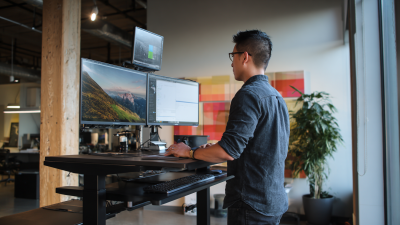
In today's fast-paced work environment, a Standing Desk is gaining popularity for its numerous health benefits. Many people find themselves spending hours sitting at their desks, leading to fatigue and discomfort. A Standing Desk offers a solution by allowing users to alternate between sitting and standing. This flexibility can enhance comfort and productivity.
Research shows that using a Standing Desk can reduce the risk of chronic diseases. It encourages movement throughout the day, which is crucial for maintaining a healthy weight. However, it’s essential to consider that standing too long can also lead to discomfort. Users must find a balance that works for them.
Implementing a Standing Desk can transform your workspace. It's not just about standing; it’s about improving overall well-being. Pairing it with good posture and ergonomic practices leads to optimal results. The journey towards a healthier workplace is ongoing and requires reflection and adjustment.
What is a Standing Desk and How Does It Work?
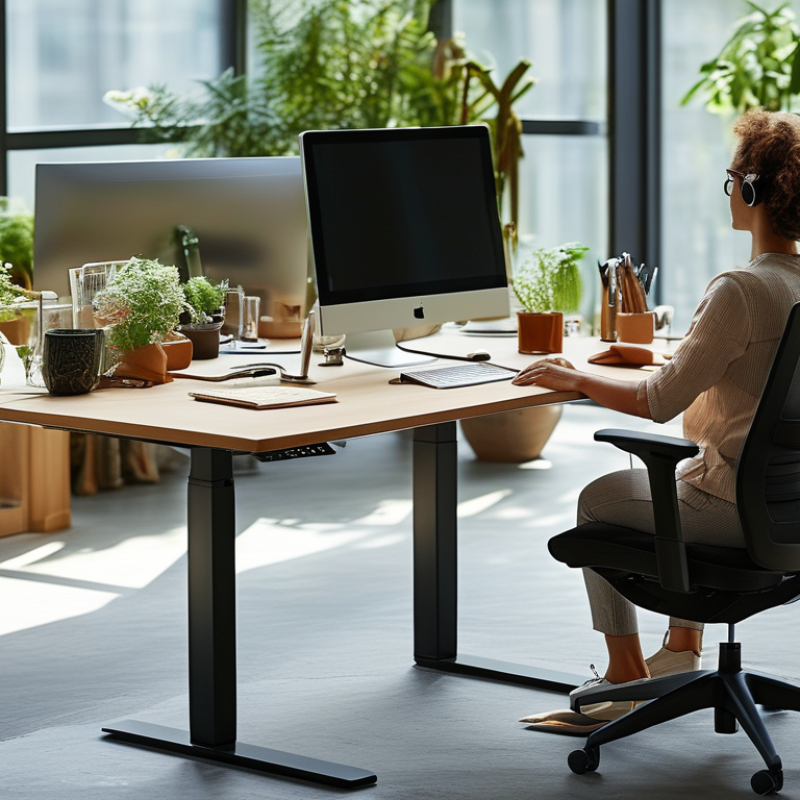
A standing desk is a workspace tool that allows users to stand while working. These desks are adjustable, enabling a range of positions. They promote better posture, reducing the risk of back pain associated with prolonged sitting. Research shows standing desks can also boost productivity. When we change our position, energy levels may increase.
Tips: Start with short standing intervals and gradually increase them. This way, your body can adapt comfortably. Consider using a footrest to shift your weight occasionally. This supports circulation in your legs.
While standing desks offer benefits, they aren’t a one-size-fits-all solution. Standing for long periods can lead to fatigue or discomfort. Balance is key. Use anti-fatigue mats if you stand for long stretches. Ensure your desk is at the right height to avoid strain on your wrists.
Staying engaged while standing can be challenging. It’s easy to get distracted. Find ways to maintain focus, such as using a timer to break work into intervals. Experiment with music or white noise to stay productive. Adjusting to a standing desk takes time, so be patient with yourself as you find the right balance.
Top Benefits of Using a Standing Desk for Your Workspace
| Benefit |
Description |
Supporting Studies |
| Reduces Back Pain |
Standing desks can alleviate pressure on the spine and reduce chronic back pain. |
A study published in the Journal of Physical Therapy Science found significant pain relief in users. |
| Increases Productivity |
Employees using standing desks often report higher concentration and productivity levels. |
Research by the International Journal of Environmental Research and Public Health supports these claims. |
| Boosts Energy Levels |
Standing while working can lead to increased energy and reduced fatigue throughout the day. |
A study by the American Journal of Preventive Medicine reported improved energy levels in users. |
| Encourages Movement |
Standing desks make it easier to incorporate more movement into your day, promoting cardiovascular health. |
The British Journal of Sports Medicine highlighted this benefit in a review of workplace interventions. |
| Improves Mood |
Standing desks can lead to improved mood and lower stress levels among employees. |
The Journal of Happiness Studies found standing desk users reported higher satisfaction. |
Health Benefits of Using a Standing Desk in the Workplace
Using a standing desk can transform your workspace and improve your overall health. Research shows that prolonged sitting can lead to various health issues, such as obesity and cardiovascular disease. Standing desks encourage movement and boost circulation, which can enhance your energy levels throughout the day.
One significant benefit of standing desks is the reduction in back pain. Many users report feeling less discomfort in their lower backs after making the switch. However, it's essential to maintain proper posture. Standing for long periods can also lead to fatigue or discomfort in your legs. Alternate between sitting and standing to find a balance that works for you.
Another noteworthy aspect is increased productivity. Some studies suggest that standing desks can lead to greater focus and efficiency. Still, this adjustment may take time. You might feel distracted initially as you adapt to this new arrangement. It’s a journey worth exploring for the long-term health benefits it offers. Make small changes and listen to your body’s signals for the best experience.
Improving Posture and Reducing Back Pain with a Standing Desk
A standing desk can be a game-changer for your workspace. Research shows that prolonged sitting can lead to significant back pain and poor posture. A study published in the *American Journal of Preventive Medicine* found that standing desks can reduce back pain for up to 32% of users after several weeks of use. This improvement occurs because standing encourages better spinal alignment, distributing body weight evenly.
Incorporating standing desks into your routine may help enhance your posture. Active positioning can strengthen core muscles, which provide support for the spine. Reports indicate that standing while working can lead to better engagement in tasks, increasing overall productivity. However, not all users experience immediate results; some may find it challenging to adapt, especially if they're accustomed to sitting for long hours.
Mental clarity is another benefit linked to standing desks. Standing can improve mood and decrease levels of anxiety. A recent study highlighted a 14% reduction in feelings of stress among employees using standing desks. Nevertheless, it’s essential to balance standing with sitting to avoid fatigue. Thus, finding the right combination is key to maximizing benefits while maintaining comfort over time.
Boosting Productivity and Focus: The Standing Desk Advantage
The standing desk is gaining traction in modern workspaces. Research shows that using a standing desk can boost productivity by 15%. This increase is linked to better focus and reduced distractions. A study by Texas A&M University found that standing desk users completed tasks more efficiently. Their energy levels also improved throughout the day.
Adopting a standing desk might feel uncomfortable at first. Transitioning slowly can help your body adjust. Start with short standing periods and gradually increase them. This method reduces fatigue and allows your focus to grow. Using anti-fatigue mats can also enhance comfort as you adapt.
Incorporating movement is key. Take short breaks to stretch or walk around. This encourages blood circulation and keeps your mind sharp. Standing desks promote healthier posture but don't eliminate the need for movement. Balancing standing with walking or sitting can also prevent strain. Always listen to your body; it guides your workflow effectively.
Top Benefits of Using a Standing Desk for Your Workspace
The following chart illustrates the main benefits of using a standing desk, showing their positive impacts on productivity, focus, and overall well-being. The data is based on surveys conducted among office workers who have adopted standing desks.
Considerations for Transitioning to a Standing Desk Setup
Transitioning to a standing desk can offer notable advantages, but it's not without its challenges. Research indicates that standing desks can reduce back pain by up to 32% within just a few weeks of use. However, standing for prolonged hours may lead to fatigue and discomfort. It's vital to find a balance between sitting and standing.
To ease into a standing desk setup, start gradually. Try alternating between sitting and standing every 30 minutes. This method can help you adjust without overwhelming your body. Studies show that workers who change positions frequently report improved concentration and productivity. Pay attention to your body's signals. If you experience pain or discomfort, reassess your setup.
Investing in a good mat is essential. Anti-fatigue mats can significantly increase comfort levels. Experts suggest that proper footwear and posture are equally important. Use a footrest to shift weight and reduce strain. No one should expect a perfect transition; it can require adjustments. Reflecting on these aspects can ensure a more successful and sustainable switch to a standing desk.