What is the Best Bedroom Decor for Cozy Living?
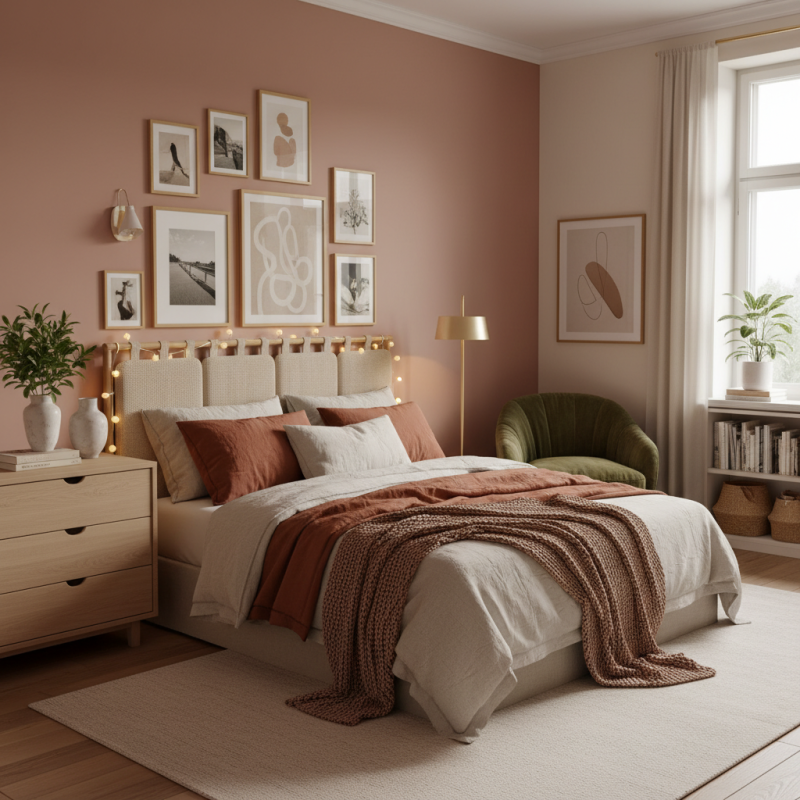
Creating a cozy bedroom decor is essential for enhancing well-being. According to a report by the National Sleep Foundation, a well-decorated bedroom can significantly improve sleep quality. A warm color palette and soft textiles contribute to a relaxing atmosphere.
Incorporating personal elements, like artwork and cherished items, adds a unique touch. Research shows that personalized spaces can enhance emotional well-being. However, finding the right balance between style and comfort is often challenging. Over-decorating can lead to clutter, which counters the peaceful vibe.
When selecting your bedroom decor, think about functionality. For example, consider storage solutions that blend with aesthetics. A clutter-free environment promotes relaxation and better mental health. Aim for a cohesive look, but don’t be afraid to experiment. The ideal bedroom decor should reflect your personality while inviting tranquility.
Choosing a Color Palette for a Cozy Bedroom Atmosphere
When creating a cozy bedroom atmosphere, the right color palette is essential. Soft, muted colors often bring warmth. Consider shades of beige, soft gray, or light taupe. These tones create a soothing backdrop for relaxation. Accents of pastel can further enhance the space. Think about pale blues or blush pinks for a touch of softness.
Dark colors can also work well. Deep navy or forest green provides a sense of intimacy. However, be careful with dark shades; they can overwhelm a small room. Balance them with lighter furniture or decor. Wood tones add warmth alongside these colors, grounding the space. Incorporating textured fabrics, like plush throw pillows, complements any palette.
Finding the right balance can be tricky. Test paint samples on your walls. Observe how the colors change with light throughout the day. Remember that personal preference plays a significant role. What feels cozy to one may not feel the same to another. Take the time to explore different combinations until you find your perfect cozy corner.
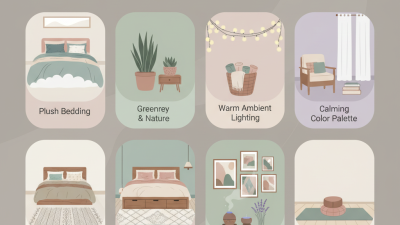
Cozy Bedroom Decor Color Palette Preferences
Selecting Comfortable Bedding and Textiles for Cozy Living
When creating a cozy bedroom, selecting the right bedding and textiles can make all the difference. Soft, breathable fabrics like cotton and linen can enhance comfort. These materials are gentle against your skin and help regulate temperature. A plush, well-chosen comforter or duvet can act as the centerpiece of your bed, providing warmth without feeling heavy. Layering different textures, such as knit throws or faux fur blankets, adds visual interest and warmth.
Pillows are essential for both support and style. Incorporate various sizes to create a welcoming atmosphere. Consider including decorative pillows with unique patterns or textures. They can also invite guests to sit or relax. It's important to think about color choices too. Muted tones often promote calmness, while vibrant colors can energize a space.
Textiles like curtains or rugs should not be overlooked. Thick, lined curtains block out light and create a cocooning effect. A soft area rug beneath your feet brings instant warmth. Yet, remember that balance is key. Too many textiles can lead to clutter. Focus on a few statement pieces that resonate with your style. Allow these choices to evolve over time as your preferences change.
Incorporating Soft Lighting to Create a Warm Ambiance
Creating a cozy bedroom is all about the right atmosphere. One effective way to achieve this is through soft lighting. The type and placement of light can significantly affect the overall vibe. Warm, soft light creates a tranquil environment, perfect for relaxation. Consider using bedside lamps with dimmers. This allows for adjustable light levels depending on the mood.
Fairy lights or string lights can also add a charming touch. Hang them around a mirror or drape them along shelves. Candles, even battery-operated ones, can create an inviting glow. The flickering effect of a candle mimics a fireplace’s warmth. Sometimes, it’s these small details that make a room feel more like home.
Experimenting with different lighting types is essential. Not every solution will suit your space. Some might find warm bulbs too dim for reading, while others see them as ideal. Reflect on what works best for your habits. Balancing brightness and warmth is crucial for comfort. Everyone’s preferences vary, so take your time finding the perfect combination. The goal is to create a space that feels cozy and welcoming.
What is the Best Bedroom Decor for Cozy Living? - Incorporating Soft Lighting to Create a Warm Ambiance
| Decor Element |
Description |
Benefits |
| Soft Lighting |
Incorporating lamps and string lights to create a warm glow. |
Enhances relaxation and creates a soothing environment. |
| Warm Color Palettes |
Using earth tones or pastel shades for walls and decor. |
Promotes a calm and inviting atmosphere. |
| Textiles |
Soft bedding, plush curtains, and cozy rugs. |
Increases comfort and adds warmth to the space. |
| Personal Touches |
Photos, art pieces, or mementos displayed around. |
Makes the space feel uniquely yours, fostering emotional comfort. |
| Plants |
Adding indoor plants for a touch of nature. |
Improves air quality and enhances feelings of tranquility. |
Arranging Furniture for Optimal Space and Comfort
When arranging furniture for a cozy bedroom, consider the flow of space. Start by placing the bed in a
central location, but don't shy away from experimenting. A slight
diagonal angle can create a dynamic feel. This setup fosters
intimacy and makes the room feel open. Don't forget about nightstands.
They should be accessible yet complement the bed’s position.
Maximize comfort by creating defined zones. A cozy reading nook enhances
relaxation. Simply add a chair and a small table near a window. This compact area can transform into your
serene escape. Keep furniture sizes proportional. Oversized pieces can overwhelm, while smaller items may
not provide enough comfort. Always assess how the arrangement feels in practice.
Reflect on your needs. What activities do you enjoy in your bedroom? If you watch TV, ensure that seating
faces it. If you prefer quiet time, maintain a layout that promotes tranquility. Be mindful of how the space
influences your mood. Small adjustments can lead to significant comfort improvements.
Embrace imperfections and adjust as life changes.
Adding Personal Touches with Decor and Accessories
Creating a cozy bedroom involves more than just comfort;
it's about crafting an environment that reflects personal style.
Industry data shows that 85% of individuals feel more at ease when their space feels personalized.
Simple decor items can significantly enhance the atmosphere, making it more inviting.
Personal touches, such as framed photos or handmade artworks, add warmth and authenticity.
Incorporating soft textiles plays a critical role. A study revealed that well-chosen fabrics can improve the perception of warmth in a room.
Think plush blankets and textured pillows. Lighting also matters; soft, warm lighting can create a relaxing ambiance.
Remember, though, that overcrowded spaces can feel chaotic. Balance is key.
Over time, reflecting on how your decor makes you feel can lead to a more harmonious space.
Embrace the imperfections and adjust as needed. Your bedroom should be a sanctuary,
a place to unwind and express who you are.