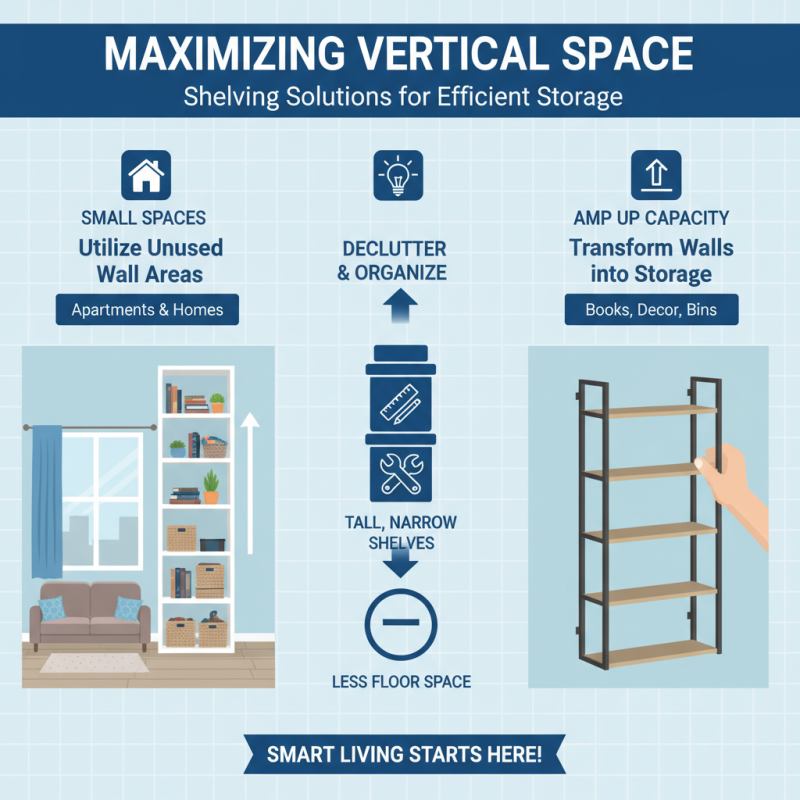
Best Shelving Units for Efficient Storage Solutions?
When it comes to maximizing storage efficiency, the right shelving units can make a significant difference. Industry expert Sarah Thompson, a professional organizer, emphasizes, "Choosing the right shelving units is essential for effective space management." Her insights reflect the importance of tailored storage solutions.
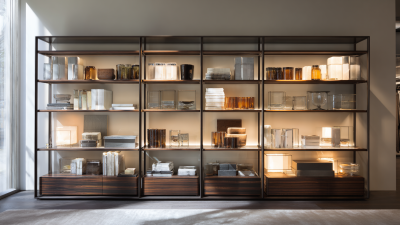
Shelving units are not just about function; they are about style too. These versatile storage systems come in various materials and designs. From industrial metal shelves to elegant wooden units, the options are endless. However, selecting the perfect unit can be challenging. Considerations include the space available, the weight capacity needed, and the overall aesthetic of the area.
Moreover, many shelving units often fall short of expectations in terms of durability or design appeal. It's crucial to balance form and function. Sometimes, even the highest-rated units may require adjustments to truly serve their purpose. Reflecting on past choices can guide us toward better decisions in the future. Understanding what works and what doesn’t is vital for an efficient storage setup.
Understanding Different Types of Shelving Units for Storage
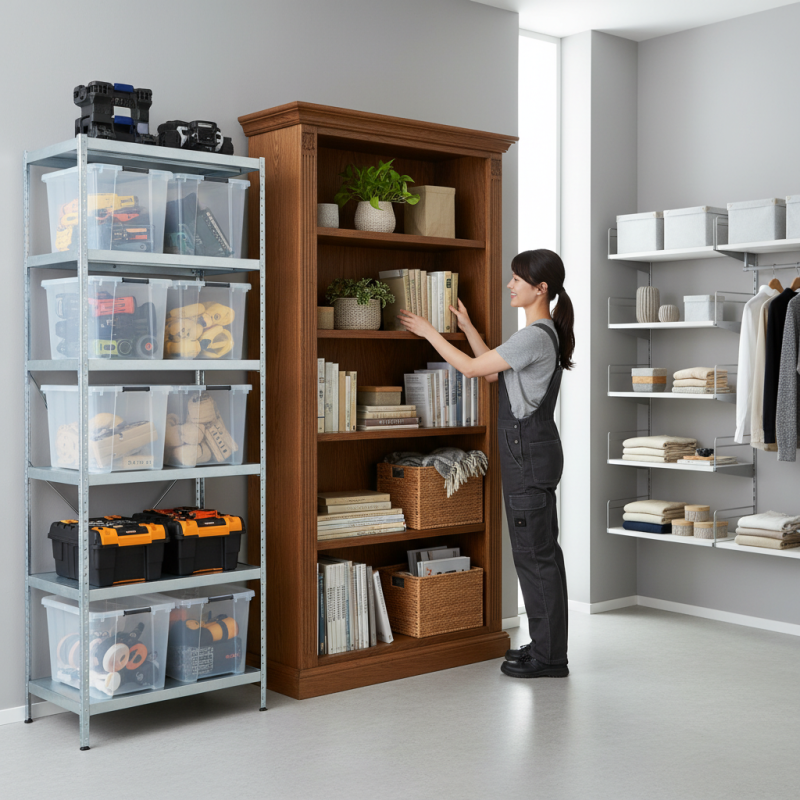
When exploring effective storage solutions, it’s important to understand the different types of shelving units available. Each type serves specific needs and fits various spaces. For example, metal shelving is sturdy and ideal for garages or warehouses. It can hold heavy items and endure tough conditions. On the other hand, wooden shelves add warmth to living spaces. They are perfect for books or decorative items, enhancing the home’s aesthetic.
Floating shelves are another popular choice, especially for smaller rooms. These shelves save floor space while providing a modern look. However, they may require careful installation to ensure stability. In contrast, adjustable shelving units offer flexibility. Users can change the height between shelves based on their needs, which is great for storage that varies over time.
Wire shelving provides great air circulation, making it suitable for pantries and kitchens. But users should be cautious about placing very small items on these shelves, as they might fall through. Each type of shelving brings distinct advantages and considerations. It’s vital to assess the specific requirements of your area before making a decision. Understanding these details will help in creating a more organized and efficient space.
Factors to Consider When Choosing Shelving Units
When selecting shelving units, consider space efficiency. According to industry reports, effective storage can enhance organization by up to 50%. A clear plan for your available space will help identify the right fit. Measure the area accurately, accounting for height and depth. This ensures the unit meets your needs without overwhelming the room.
Materials play a crucial role in durability and appearance. Steel units are often stronger and last longer than wood. However, wood can provide a more aesthetically pleasing option. Think about how these materials align with your overall design goals. Environmentally friendly options are gaining traction, with reports indicating a 30% increase in demand for sustainable materials.
Load capacity is another vital aspect. Ensure your shelving can handle the intended weight. Overloading a unit can lead to failures, making safety paramount. Furthermore, functionality is important. Adjustable shelves offer versatility, accommodating various items. Embrace innovative designs that maximize storage while minimizing clutter. Reflect on your specific needs to find the perfect solution.
Top Materials Used in Shelving Units: Pros and Cons
When selecting shelving units, material choices are crucial. Each material has unique pros and cons that affect durability and aesthetic appeal.
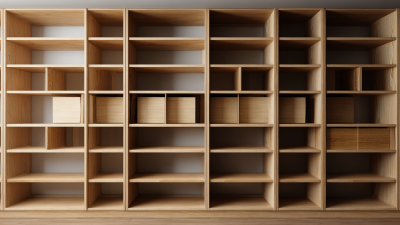
Wood, for instance, brings warmth and classic charm. It's strong, and can support heavy loads. However, wood requires maintenance and can warp over time.
Metal shelving units stand out for their strength and sturdiness, especially in industrial settings. They resist pests and are easy to clean.
Yet, metal can be prone to rust, especially in humid environments.
Glass shelving provides a modern touch to any space. It creates an illusion of openness. However, glass can be fragile and needs careful handling.
In contrast, plastic shelves are lightweight and often cheaper. They resist moisture well but may not support heavy weights. Choosing the right material requires consideration of your specific needs and the purpose of the shelving unit.
It's a delicate balance between aesthetics and functionality.
Creative Organization Tips for Shelving Units in Various Spaces
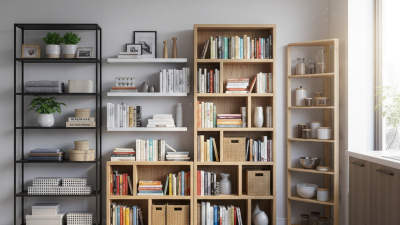
When it comes to organizing a space, shelving units can be transformative. They offer a versatile way to display and store items while using vertical space effectively. For a cozy living room, consider open shelves to showcase books and decorative items. Mixing books with plants can elevate the aesthetic. Use baskets on lower shelves to hide clutter. This approach makes organization both functional and visually appealing.
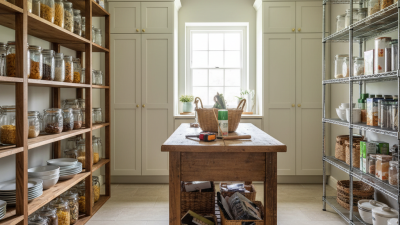
In the kitchen, shelving can enhance both storage and accessibility. Use adjustable shelves to fit various sizes of jars and appliances. Clear containers can help in identifying contents easily. Labeling items is crucial, as it saves time. Reflecting on kitchen traffic and workflow can lead to smarter placements of frequently used items. Open shelving can sometimes lead to dust accumulation, so regular maintenance is necessary.
In bedrooms, consider shelving as a dual-purpose solution. A shelf above the bed can hold books or art, maximizing wall space. Use fabric boxes for seasonal clothing or accessories. The key is to keep items you love visible but organized. Aesthetics should balance utility. Remember, clutter can creep back in, so make it a habit to sort through items regularly.
Best Shelving Units for Efficient Storage Solutions
| Type of Shelving Unit |
Material |
Weight Capacity per Shelf |
Dimensions (inches) |
Ideal Space |
| Metal Shelving Unit |
Steel |
1000 lbs |
48 x 24 x 72 |
Garage / Workshop |
| Wooden Bookshelf |
Plywood |
150 lbs |
30 x 12 x 60 |
Living Room / Study |
| Plastic Storage Rack |
High-Density Polyethylene |
200 lbs |
36 x 16 x 72 |
Basement / Storage Room |
| Wire Storage Shelving |
Steel |
800 lbs |
60 x 24 x 72 |
Kitchen / Pantry |
| Cube Organizer |
MDF |
50 lbs |
30 x 30 x 30 |
Bedroom / Office |