How to Choose the Best Pantry Shelving for Your Needs?
Choosing the right pantry shelving is essential for an organized kitchen. The right shelving can maximize storage and improve accessibility. It can also enhance your cooking experience by keeping ingredients within reach.
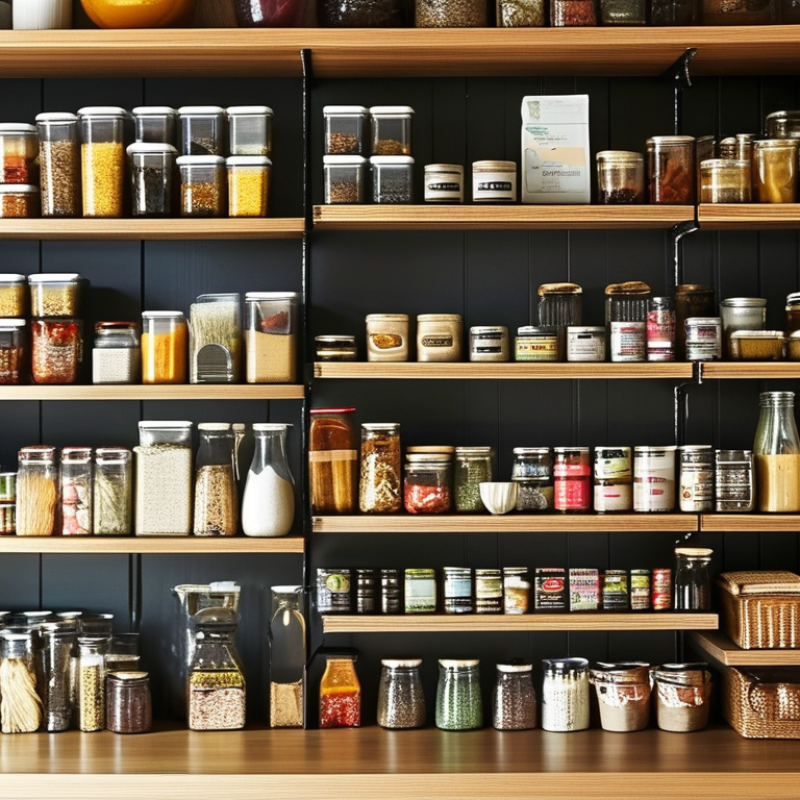
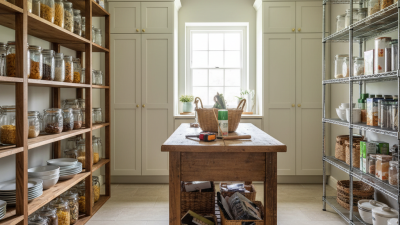
When selecting pantry shelving, consider your space and needs. Different materials offer varying durability and aesthetic appeal. Wire shelving is light and adjustable, while wooden shelves provide a sturdy and classic look. Take into account what you will store. Canned goods, spices, and dry ingredients all require different shelf heights and depths.
Remember, the best pantry shelving suits your lifestyle. Analyze how often you use items and what tends to clutter your space. This insight ensures efficient organization. Don’t be afraid to experiment with different arrangements. Finding the perfect fit may take time and reflection, but it’s worth it for a functional kitchen.
Understanding Different Types of Pantry Shelving: Materials and Designs
When selecting pantry shelving, the materials and designs available can greatly influence functionality.
Metal shelving is known for its durability and strength. It can often support heavier items, making it suitable for bulk food storage. According to a recent report from the National Kitchen & Bath Association (NKBA), metal shelves have gained popularity due to their modern appeal and longevity. They often blend well with various kitchen styles, adding an industrial touch.
On the other hand, wood shelving provides a warm, traditional feel. It can be customized to fit specific dimensions and can match various décor styles. However, wood may not be as resistant to moisture issues, which could lead to warping over time. A survey by the American Organization of Interior Designers indicated that nearly 40% of homeowners prefer wooden shelves despite potential downsides. It's important to weigh aesthetic choices against practical needs.
Plastic shelving is another option, especially for lighter items. It's lightweight and easy to clean but may lack the longevity seen in metal and wood. A study published in the Journal of Home Economics found that families using flexible shelving solutions report more efficient organization. Choosing the right type of shelving isn’t just about looks; it's also about understanding how well a material serves your long-term needs.
Assessing Your Space: Measurements and Layout for Optimal Shelving Usage
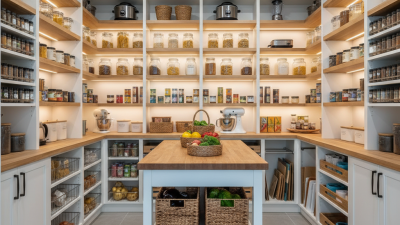
Assessing the layout of your pantry is crucial for effective shelving. Start by taking accurate measurements of height, width, and depth. Consider door swings and any nearby appliances that may restrict your shelving options. This information guides you in selecting the right shelving units that fit well in your space.
Not all pantry spaces are the same. Some people face tight corners or uneven flooring, which can complicate shelving installation. Reflect on what you have available. Visualize how items should flow within that space. It’s often a trial-and-error process to create the most useful setup. Make quick sketches to see what works.
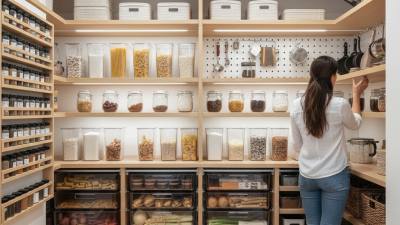
**Tips:** Use adjustable shelving for flexibility. This allows you to change heights as needed. Keep frequently used items at eye level. Use clear bins for easy access. Remember that organizing your pantry can take time. Don't rush the process; it should evolve to meet your needs.
Optimal Pantry Shelving Usage: A Bar Chart Analysis
Capacity and Weight Limits: Choosing Shelving That Meets Your Storage Needs
When selecting pantry shelving, understanding capacity and weight limits is crucial. Consider how much space you truly need. Assess the items you plan to store. Heavy products like canned goods demand sturdier shelving. Lightweight items like pasta can be on less robust shelves. Make sure the shelving can handle your heaviest items without bowing or collapsing.
**Tip:** Always check the manufacturer's specifications for weight limits. This ensures safety and prevents damage. Sometimes shelves feel solid but lack actual support. Look for units designed for specific weight capacities.
Ponder your long-term storage needs. If you anticipate more items, choose larger or adjustable shelving. Adapting shelving as your needs change can save you from frequent replacements.
**Tip:** Use a shelving calculator. These tools help determine the best fit for your pantry layout. Avoid overcrowding shelves, as this can lead to safety hazards. Always leave space for airflow and easy visibility.
How to Choose the Best Pantry Shelving for Your Needs? - Capacity and Weight Limits: Choosing Shelving That Meets Your Storage Needs
| Shelving Type |
Weight Capacity per Shelf |
Total Capacity |
Material |
Best Use Case |
| Wire Shelving |
600 lbs |
2400 lbs |
Steel |
Kitchen Storage |
| Wooden Shelving |
350 lbs |
1400 lbs |
Pine |
Pantry and Living Room |
| Metal Shelving |
800 lbs |
3200 lbs |
Aluminum |
Commercial Use |
| Plastic Shelving |
100 lbs |
400 lbs |
Polypropylene |
Lightweight Storage |
| Corner Shelving |
250 lbs |
1000 lbs |
Wood or Metal |
Space Optimization |
Style Considerations: Combining Functionality with Aesthetic Appeal in Shelving
When selecting pantry shelving, aesthetic appeal plays a crucial role. It's important to choose shelves that resonate with your kitchen's design. Consider materials like wood or metal, as both can add warmth or a sleek touch. The color should complement your existing decor. A bright, airy kitchen might benefit from white or light wood, while darker spaces could use rich hues for contrast.
Tips:
Try mixing open and closed shelving. This allows you to showcase decorative items while keeping bulkier goods hidden. Remember to maintain balance; overcrowded shelves can appear chaotic. Leave enough space between items for a tidy look.
Lighting is another key factor. Proper illumination makes your pantry feel inviting. Adjustable shelving heights can enhance functionality. Think about accessibility when storing frequently used items at eye level. It’s easy to overlook these aspects, but they can transform a simple pantry into a stylish focal point.
Budgeting for Pantry Shelving: Balancing Cost with Quality and Durability
When budgeting for pantry shelving, balancing cost with quality is essential. A study by the American Institute of Architects indicates that quality materials can increase home value by up to 10%. Investing in shelving built from durable materials often results in long-term savings. Cheaper options may collapse under weight, leading to costly replacements.
Understanding the cost of materials aids in decision-making. Particleboard might cost less, but its lifespan is shorter than that of solid wood. A report from the National Association of Home Builders shows that over 70% of homeowners prioritize durability over upfront costs. While saving money is crucial, compromising on quality can create ongoing expenses. Reflecting on whether to prioritize appearance or functionality can be challenging.
Space and organization also play roles in shelving choices. Custom shelving can optimize space, but it comes at a higher price. DIY options can be affordable, yet they may lack the professional finish sought by many. Buyers must weigh their needs against their budgets. Finding that balance is not always straightforward; careful consideration often uncovers overlooked factors.