How to Choose the Best Sliding Doors for Your Space?
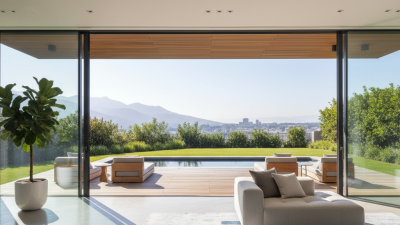
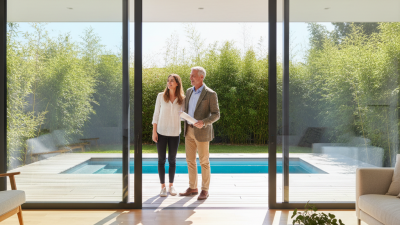
When selecting the best sliding doors for your space, several key factors come into play. The sliding door market has been on the rise, with a reported growth rate of 5.6% annually, as noted in the Global Sliding Doors Market Report 2023. Expert consultant Jane Smith states, "Choosing the right sliding doors can elevate both aesthetics and functionality in your home." Her insight emphasizes the importance of thoughtful selection.
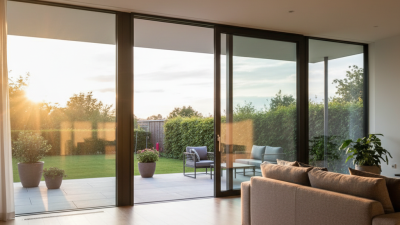
Sliding doors not only save space but also enhance natural light. However, they can be a costly investment. Many homeowners overlook the long-term benefits of energy efficiency and durability. It's crucial to consider materials and styles that fit specific needs, especially in climates with extreme temperatures.
While glass doors can create a modern look, they may lack privacy. On the other hand, wood sliding doors offer a warm aesthetic but might require more maintenance. Understanding the pros and cons is essential. Ultimately, the right choice can transform your living environment, reflecting personal taste and lifestyle needs.
Factors to Consider When Choosing Sliding Doors for Your Space
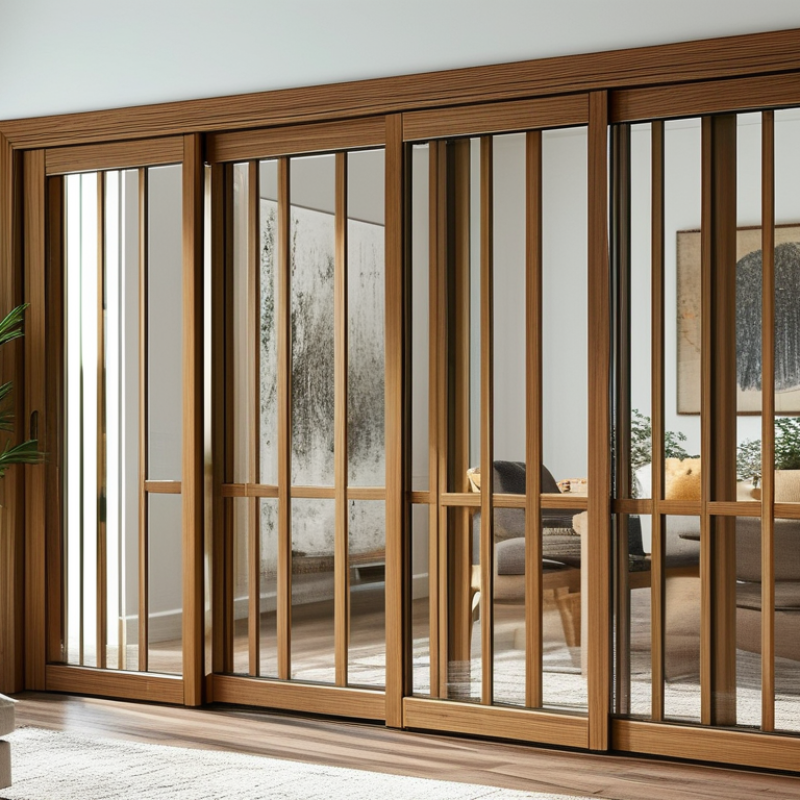
When choosing sliding doors, consider space dimensions carefully. Measure the height and width of the area. Ensure the door fits without blocking walkways or furniture. The style of the door should also match your interior. A sleek glass option works well in modern spaces. Meanwhile, wooden doors often suit traditional or rustic homes better.
Another factor to reflect on is functionality. Consider how often you will use the doors. Do you need them to open frequently? Will they face heavy traffic? These questions help determine the material and track system. A well-functioning mechanism is crucial. You want doors that glide smoothly and quietly, not ones that stick or squeak.
Lastly, think about energy efficiency. Look for doors with good insulation. This can save on heating and cooling costs. Always assess the glass type if opting for glass sliding doors. Low-E glass offers better energy performance. Balancing aesthetics, practicality, and efficiency is key to making the right choice. Each decision should reflect your unique needs and lifestyle.
Types of Sliding Doors: A Comprehensive Overview
When choosing sliding doors, it’s essential to understand the variety available. Each type serves different functions. For instance, glass sliding doors create an illusion of space. They allow natural light to flow, brightening your room. However, they may reduce privacy. Consider the width of your space when selecting glass doors.
Wooden sliding doors offer a warm and inviting aesthetic. The natural grain adds character. Yet, they may require more maintenance. Regular sealing is necessary to protect against moisture. On the other hand, pocket doors slide into the wall. This feature saves floor space. However, installation can be challenging and may limit wall treatment options.
Ultimately, your choice depends on your specific needs and aesthetic goals. Think about the overall style of your home. Assess how much light you desire or how much privacy you need. Each option has its pros and cons. Reflect on your lifestyle to make the best decision.
How to Choose the Best Sliding Doors for Your Space?
| Type of Sliding Door |
Material |
Pros |
Cons |
Ideal Use |
| Standard Sliding Doors |
Glass |
Space-saving, allows natural light |
Less privacy, can be fragile |
Bedrooms, patios |
| Pocket Sliding Doors |
Wood or Vinyl |
Maximizes space, hides doors |
Requires wall modification |
Small spaces, modern offices |
| Bi-fold Sliding Doors |
Wood, Aluminum |
Wide opening, enhances outdoor connection |
More expensive, requires space |
Living rooms, patios |
| Multi-slide Doors |
Aluminum, Vinyl |
Large openings, great views |
Costly, heavy operation |
Luxury homes, commercial spaces |
| Glass Sliding Doors |
Tempered Glass |
Elegant, enhances natural light |
High maintenance, less privacy |
Sunrooms, balconies |
Materials for Sliding Doors: Pros and Cons Explained
When selecting sliding doors, the material plays a vital role. Wood, for instance, provides a classic and warm ambiance. It offers great insulation but may need regular maintenance to prevent warping. Consider the grain and finish carefully. A neglected wooden door can lose its charm.
Glass sliding doors are another popular choice. They create an illusion of space and allow natural light to flood in. However, they can be less energy efficient. Think about the climate in your area. Tempered or double-glazed options can mitigate this issue but add to the cost.
Then there's aluminum. This material is sleek and modern. It’s highly durable and resistant to the elements. But, if you don’t choose the right finish, it can look cold and uninviting. Additionally, aluminum doors might not provide the best insulation compared to wood or glass. Weigh these factors based on your needs and preferences.
Sizing and Space Requirements for Sliding Door Installation
When installing sliding doors, the sizing and space requirements are crucial. Start by measuring the area where the doors will go. Ideally, the space should have enough clearance for the door to slide open fully. Measure the height and width accurately. A common mistake is underestimating the width, which can result in awkward openings.
Consider the floor space as well. You need to ensure there's room for the doors to operate smoothly. Check for any furniture or obstacles that might interfere. A clear path is essential for easy access. Keep in mind the wall structure too, as it needs to support the sliding door frame.
Don’t overlook the door thickness. This can affect insulation and privacy. Some designs require more depth in the wall. Be prepared to adjust the space accordingly. Sometimes, it is better to consult a professional. They can offer insights into impractical dimensions or space constraints you may have missed.
Design and Aesthetic Options for Sliding Doors in Your Home
When considering sliding doors for your home, aesthetics play a crucial role. Choose designs that harmonize with your existing decor. For modern spaces, sleek glass panels can create an open feel. On the opposite end, rustic wooden doors add warmth and texture. The material you select influences the overall ambiance.
Tips: Think about color contrasts. Dark frames can stand out against light walls. Consider hardware finishes, too. Matte black or polished brass can elevate your door’s look. Functionality matters. Ensure your choice complements how the space is used daily.
The right sliding door can enhance natural light in your home. Clear glass options can connect interiors to the outdoors. However, they may lack privacy. Frosted glass offers a middle ground, allowing light while obscuring views. Don't forget to size your doors correctly. Too large or too small can disrupt your area’s flow. Reflect on your options, and remember that each choice has its pros and cons.
Sliding Door Design Preferences by Type