How to Choose the Perfect Corner Cabinets for Your Home?
Choosing the right corner cabinets can significantly enhance your home’s functionality and style. Expert designer Sarah Jennings emphasizes, “Corner cabinets are not just storage; they are a design opportunity.” Their unique shape can transform often unused spaces into beautiful, practical areas.
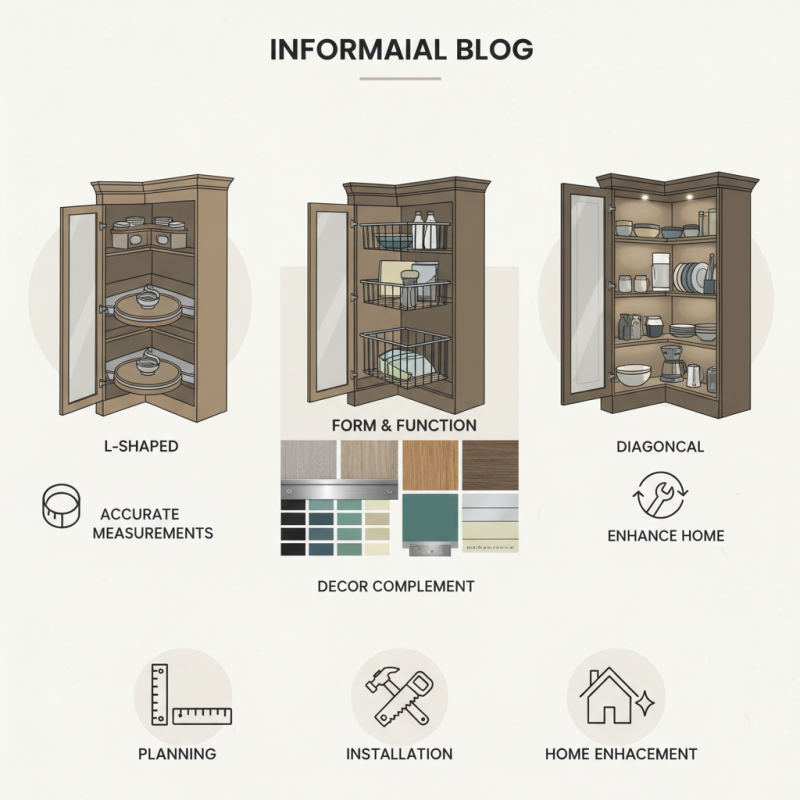
When selecting corner cabinets, consider both form and function. Are they stylish yet practical? Do they fit your decor? Each detail matters, from the material to the finish. A well-chosen cabinet should complement your home while meeting your storage needs.
However, finding the perfect fit can be challenging. Many people overlook the importance of measuring space accurately. Make sure to consider the cabinet's height and depth. It's easy to rush into a decision, but proper planning can avoid costly mistakes. Tackle these details to ensure your corner cabinets enhance your home as intended.
Understanding the Functionality of Corner Cabinets in Home Design
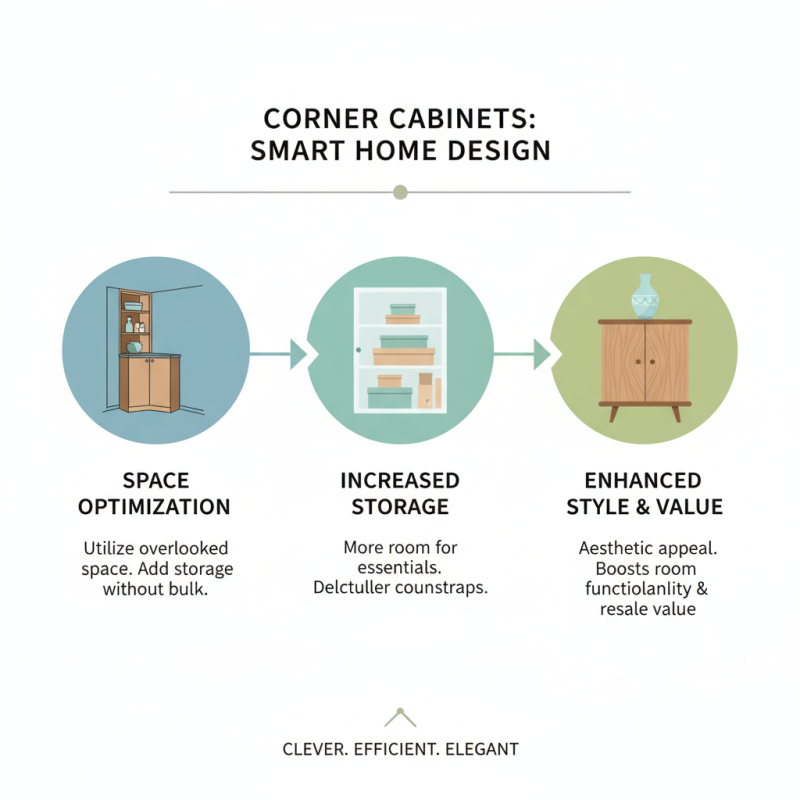
Corner cabinets are a clever solution in home design. They utilize space that often goes overlooked. By placing these cabinets in corners, you can create more storage without a bulk of furniture. They can be stylish too. The right finish can enhance the aesthetic of any room.
Functionally, corner cabinets can serve various purposes. They can store dishes, books, or even serve as a display area. Consider the depth and height of the cabinet. Shallower cabinets might not hold large items but offer easy access. On the other hand, a tall cabinet can house more but may require a step stool for the upper shelves.
Choosing a corner cabinet also involves reflecting on your needs. Do you need frequent access to stored items? Think about how often you cook or entertain. Sometimes the sleek design might overshadow practicality. You might choose beauty over function, but then regret it later when things get cluttered. Such choices can lead to a bit of chaos in daily routines.
Assessing Your Space: Measuring for Corner Cabinets in Various Rooms
When considering corner cabinets, measuring your space accurately is crucial. Start by checking the height and width of the corner where the cabinet will go. Make sure to account for any architectural features, like molding or baseboards. A cabinet that is too tall or too short can create imbalance. Use a tape measure and jot down the dimensions. Take note of any obstacles that could interfere with your cabinet choice.
Next, think about the functionality of the cabinet. Will it hold dishes, books, or linens? This will influence the depth and design. Visualize what you want to store inside. Consider whether you need shelves or drawers. Too many shelves can make access difficult. Sometimes a simple design works best. Allow room for adjustments based on what you find while measuring.
On occasion, the space might feel a bit cramped. This can inspire creative solutions. Maybe a rounded corner cabinet will add elegance and usability. Remember, it’s about finding a balance between style and practicality. Reflect on your choices as you go. It’s okay if things don’t fit perfectly the first time. Adjustments can lead to a more thoughtful design.
Selecting the Right Style and Design to Complement Your Interior
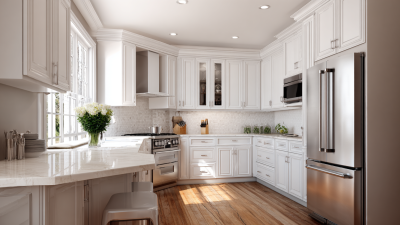
Choosing corner cabinets requires an eye for style and design. The right cabinets can enhance your interior. Consider your home’s existing decor. A modern kitchen may benefit from sleek, minimal designs. On the other hand, a rustic living space calls for warm colors and natural materials.
Think about the function of your cabinets. Will they hold dishes, workspace items, or decorative pieces? If they’re for display, glass doors can create a lovely showcase. But remember, they require regular cleaning. Open shelving can feel inviting, but it may highlight clutter.
Also, consider the size of the corner space. Large cabinets can overwhelm a small room. Small cabinets might get lost in a bigger area. It’s a balancing act. You want your cabinets to stand out without overshadowing your decor. Pay attention to lighting. A well-lit cabinet can draw attention and create warmth, enhancing the overall aesthetic.
Materials and Finishes: Choosing Durable and Aesthetic Options
Choosing materials and finishes for your corner cabinets greatly impacts their durability and aesthetic. Wood is a popular choice, offering warmth and character. Consider using oak for its strength and beautiful grain. Pine is softer and may dent more easily, but it’s often lighter and less expensive.
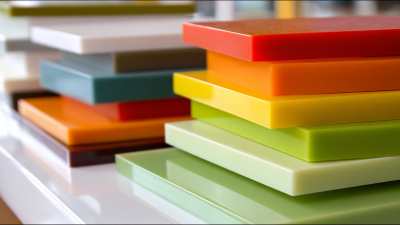
Another option is laminate. It comes in many colors and textures, allowing for creative designs. Laminate surfaces are easy to clean. However, they may not withstand high heat like wood. When selecting finishes, think about how they will age over time. A painted finish may chip or fade, while a varnish can enhance the wood's natural beauty.
Don't forget about the environmental impact of your choices. Sustainable options are becoming more available, but they may cost more. Reflect on your long-term goals for the cabinets. Are you looking for something timeless, or do you prefer seasonal changes? Each decision shapes the look and feel of your space, so take your time in making these choices.
How to Choose the Perfect Corner Cabinets for Your Home? - Materials and Finishes: Choosing Durable and Aesthetic Options
| Material |
Durability |
Aesthetic Appeal |
Maintenance |
Cost Range |
| Plywood |
High |
Versatile finishes |
Easy to clean |
$50 - $150 per linear foot |
| MDF |
Medium |
Smooth texture for painting |
Requires periodic repainting |
$30 - $100 per linear foot |
| Solid Wood |
Very High |
Natural beauty |
High maintenance, refinishing needed |
$100 - $300 per linear foot |
| Particleboard |
Low |
Limited finishes |
Susceptible to water damage |
$15 - $50 per linear foot |
Maximizing Storage: Organizing Tips for Corner Cabinets in Your Home
When maximizing storage in your home, corner cabinets can be both practical and stylish. They make great use of otherwise wasted space. One smart idea is to use tiered shelves inside. This approach allows you to see everything at a glance. When items are stacked too high, you often forget what’s in the back. Bright-colored organizers can help differentiate items. Using baskets or bins enhances accessibility too.
Pay attention to the door types. Bi-fold doors are a great choice for tight spaces. They open wide without requiring much clearance. Consider adding pull-out shelves for deeper cabinets. They let you access items that usually get lost. However, watch out for the depth of each shelf, as some spaces are smaller than others. Not every cabinet works for every home. Measure carefully before making your choice. Reflect on how you use your space daily. You might find that some items deserve a new home.