What is Kitchen Design and How to Create Your Ideal Space?
Kitchen design plays a vital role in our daily lives. According to a recent report by the National Kitchen and Bath Association, homeowners spend an average of $15,000 to $50,000 on kitchen renovations. This investment reflects the importance placed on functionality and aesthetics in this vital space. Renowned kitchen design expert Sarah Smith emphasizes, "A well-designed kitchen brings family together and enhances the home’s value."
Creating your ideal kitchen requires careful planning and consideration. The layout, lighting, and materials should align with your cooking habits and lifestyle. A poorly designed kitchen can lead to frustration, limiting creativity in meal preparation. Reports indicate that 70% of homeowners regret not adding adequate storage solutions, highlighting the importance of practical designs.
Moreover, trends in kitchen design evolve constantly. Incorporating smart technology and sustainable materials is increasingly popular. Yet, many overlook personal preferences during renovations. Prioritizing a functional, inviting, and personalized kitchen space is essential. Balancing these aspects can lead to a kitchen that meets your needs and enhances your home’s atmosphere.
What is Kitchen Design? Understanding the Basics
Kitchen design is an art that combines functionality and aesthetics. It revolves around creating a space where cooking meets creativity. The kitchen should reflect your style and accommodate your cooking habits. It's important to consider how you use your kitchen daily. Think about what works and what doesn't. This reflection can lead to a more tailored approach.
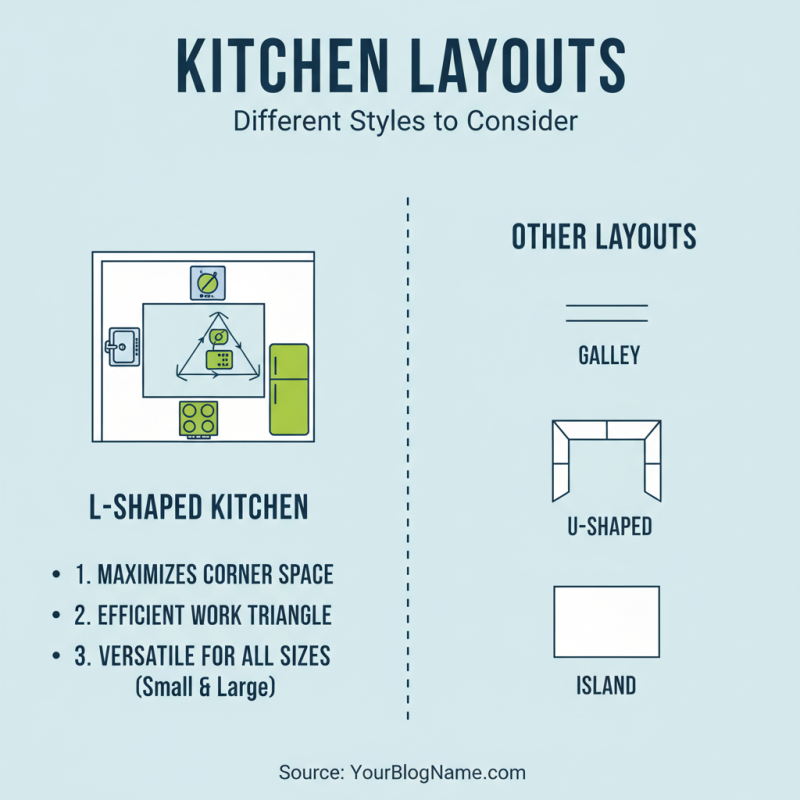
The basics of kitchen design include layout, storage, and materials. A good layout often focuses on the "kitchen work triangle." This triangle connects the sink, stove, and refrigerator for efficiency. Storage solutions are equally vital. Cabinets, shelves, and drawers should be organized logically. Choosing materials is about balancing beauty and durability. Countertops should withstand heat and spills. Aesthetics are important, but functionality shouldn't be sacrificed.
Creating your ideal kitchen involves trial and error. Play with different layouts and colors. Get feedback, and be open to adjustments. Expect imperfections in your design process. Sometimes the best ideas come from solving a problem. Reflect on your space's flow and feel. Your kitchen should invite you to cook and gather, making it truly yours.
What is Kitchen Design and How to Create Your Ideal Space?
| Design Element |
Description |
Considerations |
| Layout |
The arrangement of appliances, cabinets, and counter space. |
Think about the flow of movement and efficiency. |
| Color Scheme |
The selection of colors used in the kitchen for walls, cabinets, and accents. |
Choose colors that reflect your style and make the space feel inviting. |
| Lighting |
The use of natural and artificial light sources to enhance the kitchen's functionality. |
Consider under-cabinet lighting and pendant lights for task lighting. |
| Storage Solutions |
Innovative ways to store kitchen essentials efficiently. |
Incorporate pull-out shelves, lazy Susans, and drawer organizers. |
| Appliances |
The cooking and cleaning equipment used in the kitchen. |
Choose energy-efficient models and ensure they fit your design. |
| Countertops |
The surfaces where food prep and meal plating occur. |
Select materials based on durability, maintenance, and style preferences. |
Key Elements of Effective Kitchen Design
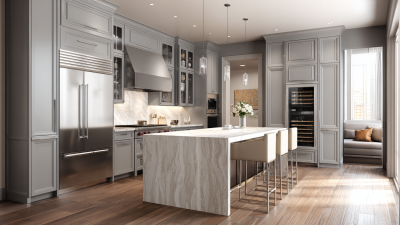
Effective kitchen design hinges on a few key elements that can transform your cooking space. The layout is paramount. You want to create a functional flow that facilitates movement. Often, the triangle layout—where the stove, sink, and refrigerator form a triangle—works well. However, it's not one-size-fits-all. Every kitchen has unique dimensions and needs.
Next, consider storage solutions. Open shelves may look appealing, but they can become cluttered quickly. Incorporate cabinets that reach the ceiling for additional space. Drawers with dividers can keep utensils organized. It’s also vital to think about lighting. Natural light is best, but task lighting is necessary for cooking areas. A well-lit kitchen feels larger and more inviting.
Lastly, materials matter. Choosing the right countertops and backsplash can make a difference. Opt for materials that are not only stylish but also durable. Reflect on your lifestyle. If you cook often, select surfaces that withstand wear and tear. Aesthetics are important, but practicality shouldn’t be overlooked. Embrace imperfection; sometimes a slightly uneven surface adds character to a kitchen design.
Key Elements of Effective Kitchen Design
Different Styles of Kitchen Layouts to Consider
When considering kitchen layouts, multiple styles can shape your space. An L-shaped kitchen maximizes corner space, creating a functional area. It encourages movement between the sink, stove, and fridge. This layout suits both small and large kitchens, making it versatile.
Another popular choice is the U-shaped layout. It encloses the cooking area, making it efficient for multitasking. You can place appliances along three walls, which maximizes storage. However, careful planning is required to avoid overcrowding.
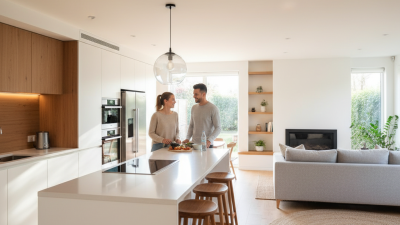
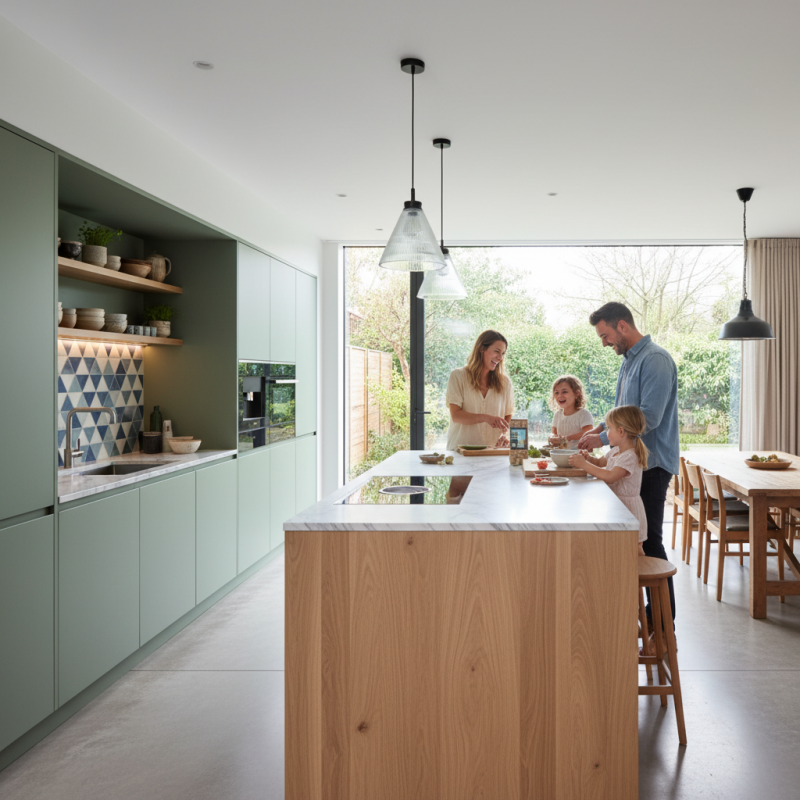
Open-concept kitchens blend seamlessly with living areas. This layout promotes interaction while cooking. It invites natural light and makes the space feel larger. Yet, consider noise levels and clean-up routines. Finding the right style can be challenging, but each layout offers unique advantages and requires thoughtful reflection on your lifestyle needs.
Essential Features for a Functional Kitchen Space
When designing a functional kitchen, several essential features should be considered. A practical layout is crucial. The classic work triangle—stove, sink, and refrigerator—should be easy to navigate. This setup can minimize unnecessary movement.
Ample counter space is also essential. It allows for meal prep and can serve as an informal dining area.
Storage solutions play a key role in maintaining organization. Cabinets that reach the ceiling maximize vertical space. Consider pull-out shelves for easy access to pots and pans. Open shelving can display beautiful dishware but requires regular upkeep to avoid clutter.
Lighting is another element that can transform the kitchen. Layered lighting, including task and ambient options, creates a warm atmosphere. Don't forget about ventilation. A good range hood can improve air quality, yet many overlook this aspect. Reflecting on these features can help tailor a kitchen to your lifestyle.
Creating a perfect kitchen space is a journey, not a destination.
Steps to Personalize Your Kitchen Design for Your Needs
Creating your ideal kitchen space requires personal touches that reflect your style and needs. According to a survey conducted by the National Kitchen and Bath Association, 76% of homeowners want kitchens that combine functionality with personal aesthetics. To achieve this, focus on elements that resonate with your daily routine and cooking habits.
Consider your workflow. The kitchen triangle—sink, stove, and refrigerator—should facilitate easy movement. If you often entertain, include ample seating. For the cooking enthusiast, prioritize quality appliances. Customize cabinetry for specific storage, such as deep drawers for pots and pans.
Tip: Measure your available space. Use graph paper or design software to visualize layouts. This will prevent potential miscalculations.
Don’t ignore lighting. Natural light is essential, but task lighting can enhance function. The American Lighting Association states that 98% of homeowners value well-lit kitchens. Layer your lighting with ambient, task, and accent lights to create a warm environment.
Remember, it’s okay to change your mind. Trends shift, and what seems perfect now might need adjustment later. Stay flexible and open to incorporating new ideas as you spend time in your kitchen. Your space should evolve with you.