Top Kitchen Table Trends for 2026 What Buyers Should Know?
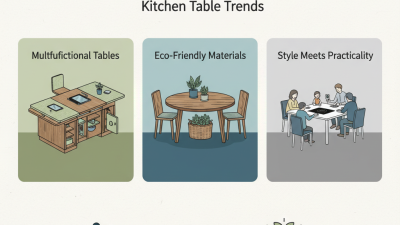
In the evolving landscape of home design, the Kitchen Table stands as a focal point of both utility and style. Renowned interior designer Sarah Mitchell emphasizes, "The Kitchen Table is where life happens; it should reflect your unique taste." As we look ahead to 2026, current trends show that buyers should pay close attention to materials, shapes, and multifunctionality.
Natural materials like wood and stone are gaining popularity, offering warmth and a connection to nature. Circular and oval tables are expected to overshadow traditional rectangular designs, promoting more intimate gatherings. The growing trend of multifunctional furniture means that buyers might seek tables that serve as both a dining area and a workspace, suitable for our busy lifestyles.
However, amid these trends, it's essential for buyers to reflect on their true needs. Not every trend will fit all spaces. Some may find that a minimalist table suits their style, while others may desire a bold statement piece. Understanding your home and lifestyle is vital in choosing the perfect Kitchen Table that truly embodies your aesthetic and practicality.
Emerging Materials and Finishes for Kitchen Tables in 2026
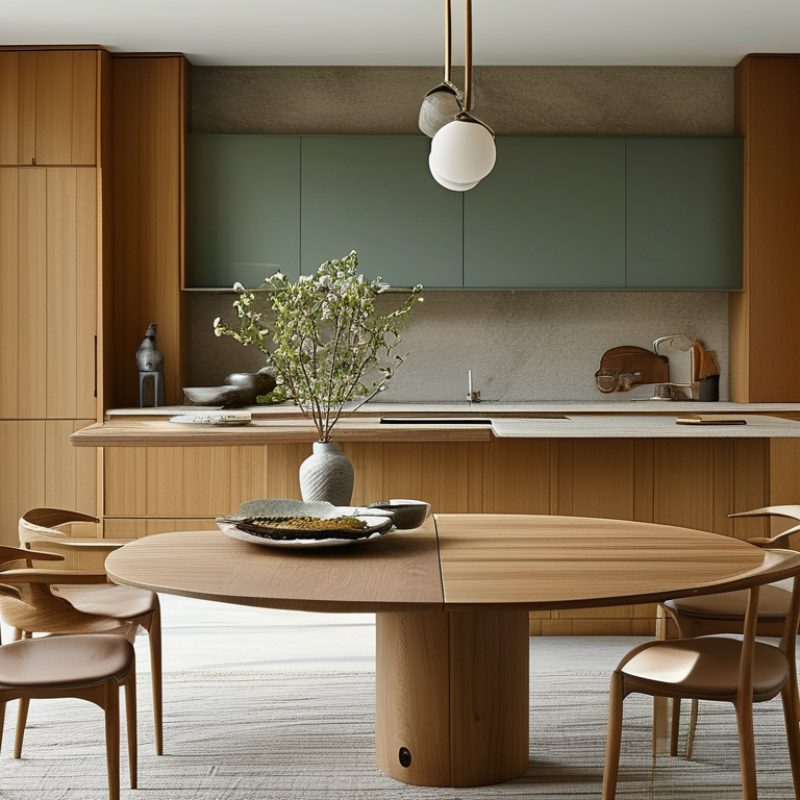
As we look towards 2026, kitchen table materials and finishes are set to transform. Natural materials will be prominent, with a focus on sustainable choices. Live-edge wood tables are gaining popularity for their uniqueness. Each piece tells a story, showcasing its organic imperfections. This trend allows buyers to embrace the beauty of nature in their homes.
In addition to wood, metal accents are making a strong statement. Stainless steel and aged brass light up modern designs. These finishes add a touch of industrial flair, contrasting beautifully with warmer materials. However, the challenge lies in balancing these elements. Too much metal can overshadow the warmth of wood.
Another exciting trend is the use of recycled materials. Eco-conscious buyers show a preference for furniture that tells an environmental story. Reclaimed wood and upcycled metals offer strong aesthetic and ethical appeals. While durability is crucial, maintaining a balance between style and sustainability requires thoughtful design choices. Achieving this balance will continue to be a critical point for consumers in 2026.
Innovative Designs: Blending Functionality and Aesthetics
Innovative kitchen table designs are set to dominate the market in 2026. A recent report from the Kitchen Furniture Association highlighted that 62% of buyers prioritize aesthetics alongside functionality. The challenge lies in creating tables that meet both needs effectively. For instance, unique shapes and materials can elevate a dining experience, turning a simple meal into an artful occasion.
Functionality remains key. Many modern kitchens lack space, making versatile designs essential. Tables with extendable features or integrated storage options are gaining popularity. According to a survey by Home Trends Magazine, 74% of respondents appreciate designs that offer multi-use capabilities. However, some designs tend to sacrifice stability for style. Buyers are urged to consider how well the table will stand up to daily use.
Color trends are shifting, too. Neutral shades dominate, but splashes of bold colors are emerging to add personality. Experts note that 58% of consumers are ready for more expressive options. Tables that combine vibrant hues with durable finishes set the stage for creative dining spaces. However, sourcing materials that are both stylish and sustainable remains a critical quest for designers.
Sustainability Trends: Eco-Friendly Kitchen Table Options
As sustainability becomes a priority, eco-friendly kitchen tables are in demand. Buyers want options that minimize environmental impact. Wood sourced from managed forests is a popular choice. This wood ensures that logging practices protect ecosystems. Bamboo is another great material. It grows quickly and absorbs more carbon dioxide.
Recycled materials are gaining traction. Tables made from reclaimed wood have unique character. They tell stories of their past while serving new purposes. Some artisans use salvaged metal for table bases. This adds an industrial touch along with sustainability.
Buyers should also consider the finish. Non-toxic, water-based finishes are safer and healthier. They reduce indoor air pollution. While many options exist, consumers need to research carefully. Not every "eco-friendly" claim is backed by certification. Look for products with verified sustainability credentials. In a world focused on climate change, these choices make a significant impact.
Top Kitchen Table Trends for 2026 What Buyers Should Know?
| Trend |
Description |
Eco-Friendly Materials |
Sustainability Impact |
Price Range |
| Biodegradable Furniture |
Tables made from materials that decompose naturally. |
Bamboo, reclaimed wood |
Reduced landfill waste |
$500 - $1200 |
| Recycled Materials |
Tables crafted from recycled plastics and metals. |
Recycled aluminum, recycled plastic |
Less resource consumption |
$600 - $1500 |
| Modular Designs |
Tables that can be adapted to different spaces. |
Sustainable wood, eco-friendly finishes |
Longevity and versatility |
$400 - $1000 |
| Natural Finishes |
Use of natural oils and waxes instead of synthetic finishes. |
Natural oil, beeswax |
Less chemical exposure |
$300 - $800 |
| Upcycled Vintage Pieces |
Repurposed tables that carry history. |
Varied vintage materials |
Preserves history and reduces waste |
$200 - $700 |
Size and Scale: Choosing the Right Kitchen Table for Your Space
When choosing a kitchen table, size and scale are critical. A table that fits well in your space enhances both function and aesthetics. Measure your dining area to determine available space. Consider the size of your family and how often you entertain. A bigger table might seem inviting, but it can overwhelm a small room.
Tip: Leave at least 36 inches of space around the table for comfortable movement. This makes dining a pleasant experience. Balance is essential; a large table in a tiny room feels cramped. Conversely, a small table in a spacious area can look lost.
Think about your seating arrangements, too. Chairs should fit snugly under the table without a struggle. If you enjoy hosting guests, opt for a table that can extend. Flexibility is key in modern dining, as lifestyles change often.
Tip: Visualize the table's placement in the room. Take measurements on the floor with tape. It helps in making a decision that works. Trust your instincts, but consider practicality alongside style. You want a table that complements your home and meets your needs.
Kitchen Table Size Preferences in 2026
This chart displays the preferences of potential buyers for kitchen table sizes in 2026. It highlights the popularity of different table sizes among homeowners.
Color Palettes: Popular Hue Trends for Kitchen Tables in 2026
As we look ahead to 2026, the color palettes for kitchen tables are evolving, reflecting modern design sensibilities. Bold and vibrant hues will take center stage.
Deep greens, rich blues, and warm terracotta are gaining popularity. These shades not only create visual interest but also evoke a sense of harmony with nature. Additionally, muted tones such as soft pastels are on the rise. They add a calming effect, making the kitchen feel more inviting.
Buyers should consider the overall kitchen aesthetic when selecting colors. A vibrant table can serve as a focal point in a minimalist space. Conversely, a muted table might enhance a more colorful kitchen. Personal taste still reigns supreme, as individuals blend these colors with their unique style. It’s worth noting that trends can also challenge traditional choices. Some may find the bold colors overwhelming. Therefore, it’s essential to reflect on what truly resonates with your space and lifestyle.
As trends emerge, keeping an eye on new ideas is valuable. Combining colors creatively can yield stunning results. Experimentation may lead to unexpected outcomes that best suit your needs. A kitchen table should not just be functional; it should also express individuality and enhance the home’s vibe. Thus, navigating color palettes in 2026 demands both insight and a willingness to embrace change.