How to Maximize Office Storage Solutions for Small Workspaces?
In today’s fast-paced work environment, effective Office Storage solutions are crucial for small workspaces. Limited space can lead to clutter, which impacts productivity and creativity. A well-organized office fosters a focused atmosphere. However, achieving this can feel overwhelming.
Maximizing storage requires a blend of creativity and practical strategies. Think about utilizing vertical space with shelves. Often, walls hold untapped potential. Consider under-desk drawers or slim cabinets. These options can significantly enhance floor space without sacrificing style. It's vital to assess your workspace and determine what you truly need. Discard items that no longer serve a purpose.
Reflect on your unique needs. Not every solution fits everyone. Experimenting with various methods can lead to surprising outcomes. Seek out modular furniture or multifunctional pieces. They often transform the way you interact with your workspace. Embracing flexibility in design and storage can lead to a more dynamic work environment.
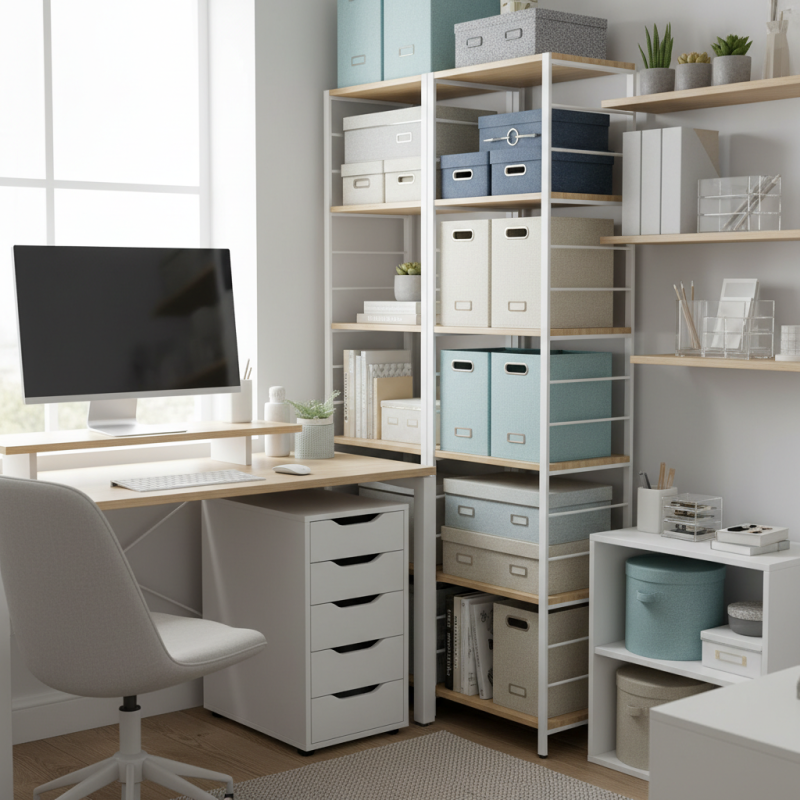
Understanding the Importance of Efficient Office Storage in Small Workspaces
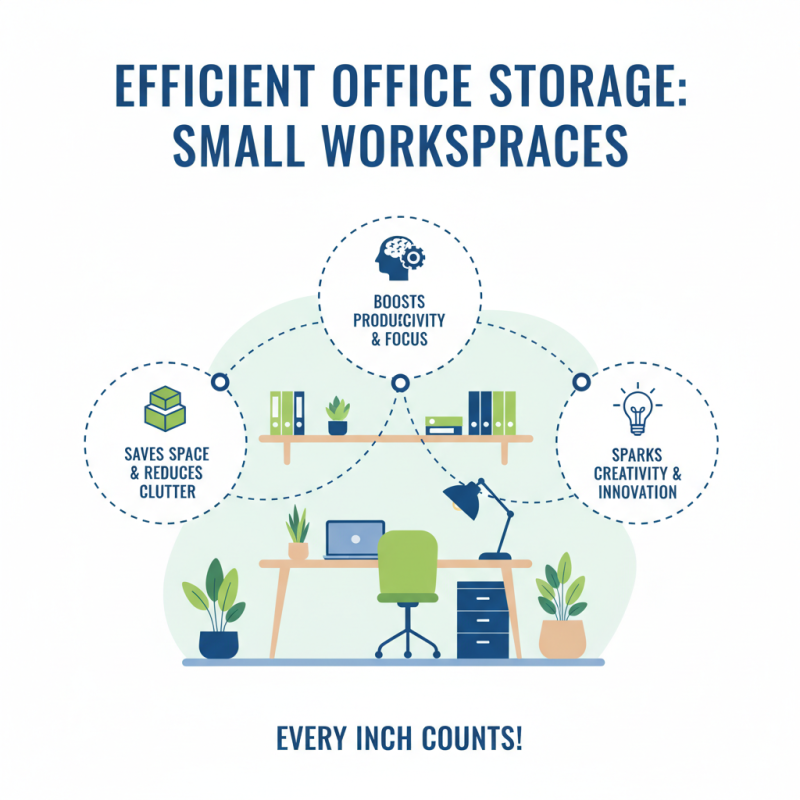
Efficient office storage is crucial in small workspaces. Limited space can lead to clutter and reduced productivity. When every inch counts, a well-organized environment enhances focus. It lessens distractions, allowing creativity to flow.
Utilizing vertical space is an effective strategy. Wall-mounted shelves keep essentials at hand while maintaining floor space. However, striking a balance between accessibility and aesthetics can be challenging. Open shelving often looks appealing, but it requires regular tidying. Small boxes or bins can hold supplies but can quickly become an eyesore without thoughtful arrangement.
Incorporating multi-functional furniture is another key aspect. Desks with built-in storage can free up valuable space. Yet, if poorly designed, these can limit workspace. It’s essential to regularly assess your setup. What works today may not be effective tomorrow. Constantly adapting storage solutions ensures an ideal working environment.
Assessing Your Workspace Needs and Inventory for Effective Organization
Assessing your workspace needs is crucial for effective organization. Start by evaluating what items you currently use daily. According to industry reports, nearly 30% of office workers feel they lack sufficient storage. This often leads to clutter and decreased productivity. Solving this requires a clear inventory. List essential items, including documents, stationery, and tech devices. Knowing what you have can prevent unnecessary purchases.
Consider the available space as well. Many small workspaces waste valuable square footage. Utilize vertical space with shelves or wall-mounted units. These options can save up to 50% of floor space while providing more storage. However, be cautious. Choosing bulky furniture can lead to overcrowding and poor workflow.
Before implementing any solutions, reflect on current organization habits. Many professionals overlook how clutter affects focus. A tidy desk can enhance creativity and efficiency. According to the National Association of Professional Organizers, 82% of people feel more productive in organized spaces. Identify what hinders your workflow. Small adjustments can lead to significant improvements in your work environment.
Utilizing Vertical Space: Shelving and Wall-Mounted Solutions
Maximizing office storage in small workspaces is essential. Utilizing vertical space can make a significant difference.
Shelving and wall-mounted solutions provide extra storage without compromising floor area.
A report from the International Facility Management Association shows that utilizing vertical space can increase storage efficiency by up to 30%.
Wall-mounted shelves can hold everything from files to decorative items. This not only organizes the area but also adds aesthetic value.
Consider floating shelves, as they offer a minimalist look while providing ample storage.
Tips: Use corner shelving to utilize overlooked spaces. Install pegboards for easy access to tools and office supplies.
This method can encourage creativity and flexibility. However, be cautious about overloading shelves.
It may result in a cluttered appearance, which can counteract your efforts.
Moreover, consider the height of your shelves. Research from the American Society of Interior Designers highlights that shelves should be easily reachable.
Striking a balance between accessibility and storage capacity is crucial.
Evaluate your workspace regularly. A fresh perspective can reveal unused areas and improve functionality.
Incorporating Multi-Functional Furniture for Optimal Space Use
Incorporating multi-functional furniture is key to maximizing storage in small workspaces. Consider using a desk that doubles as a storage unit. A simple desk with built-in shelves can keep your workspace organized. This approach reduces clutter. It also provides easy access to essential items.
Tips: Choose furniture that serves two purposes. For example, a bench can offer seating and hidden storage. Foldable tables can save space when not in use. Look for pieces that blend seamlessly with your decor.
Don’t overlook vertical space. Wall-mounted shelves can hold books and supplies without consuming floor space. A pegboard can serve as a stylish way to hang tools and office supplies. This creates an open feel in a cramped area. It also encourages creativity.
Always assess your needs. Not every piece of furniture will work for everyone. Test different layouts to find what suits you best. Remember, the goal is to create a functional yet inviting workspace. Adaptability is essential in small areas. Find solutions that encourage focus and inspiration.
How to Maximize Office Storage Solutions for Small Workspaces
| Furniture Type |
Functionality |
Space Utilization (%) |
Storage Capacity (Cubic Feet) |
Recommended Use |
| Desk with Drawers |
Work surface & storage |
75% |
10 |
Home office |
| Wall-mounted Shelves |
Display & storage |
90% |
15 |
Books & decor |
| Ottoman Storage |
Seating & storage |
70% |
5 |
Living room/office |
| Folding Table |
Meeting & workspace |
65% |
8 |
Events & gatherings |
| Multi-tiered Cart |
Mobile storage |
85% |
12 |
Supplies & tools |
Implementing Digital Solutions to Reduce Physical Storage Requirements
Creating effective digital solutions can greatly reduce the need for physical office storage in small workspaces. Transitioning to digital platforms not only cleans up physical space but also enhances efficiency. Consider digital document management systems. These tools allow you to scan, store, and organize documents electronically. This reduces paper clutter and enhances accessibility.
Tips: Start by identifying documents you no longer need in physical form. Use cloud storage to securely save files. This ensures easy retrieval anytime and anywhere, minimizing reliance on physical storage. Regularly review digital files for outdated information and delete as necessary.
Another approach is utilizing digital collaboration tools. These platforms foster teamwork without excessive paperwork. Ensure all team members are trained on these tools to maximize their potential. Regular communication about digital best practices can promote a culture of organization.
Tips: Create a digital filing system that mirrors your physical one. This makes it easier for everyone to adapt. Encourage team members to use shared folders to streamline project management. Transitioning to digital is not without challenges. There may be a learning curve, but the long-term benefits can significantly outweigh initial struggles.
Maximizing Office Storage Solutions for Small Workspaces
This chart illustrates the percentage of physical storage reduction achieved through the implementation of digital solutions in small workspaces.