Top Closet Storage Tips for Maximizing Space Efficiently?
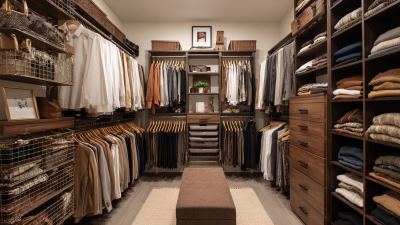
In an era where residential space is increasingly limited, efficient closet storage is vital for homeowners. According to the National Association of Realtors, efficient storage solutions can increase property value by up to 15%. Maximizing closet space not only improves functionality but also enhances the overall aesthetic appeal of a home.
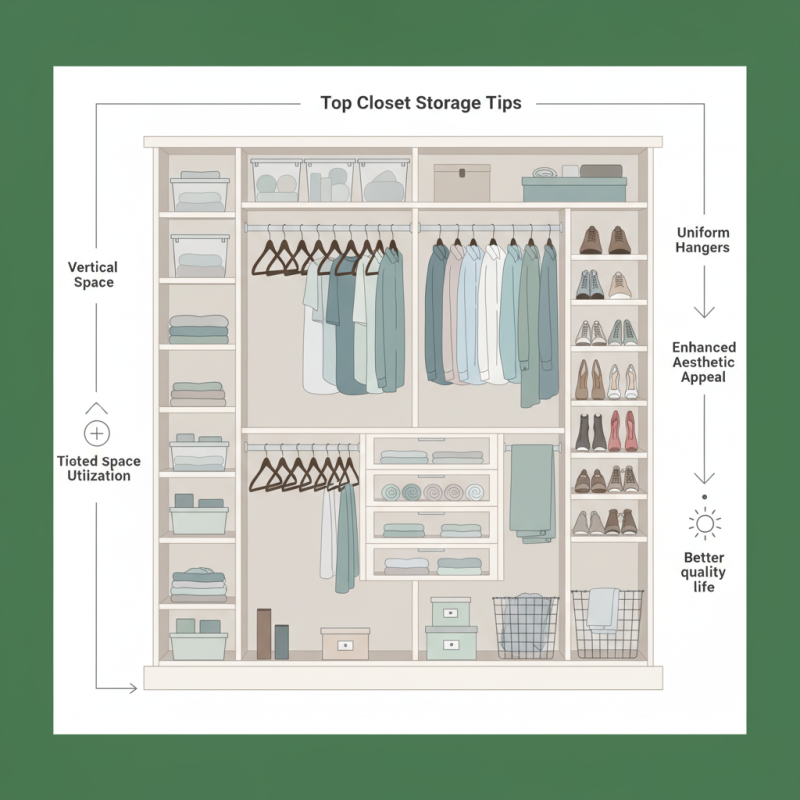
Experts recommend tailored storage solutions that cater to individual needs. For instance, utilizing vertical space can free up floor area. Yet, many still overlook simple strategies like using uniform hangers or clear bins. Data from the Home Improvement Research Institute suggests that more than 60% of homeowners struggle with cluttered closets, calling for actionable storage tips.
Improving closet storage can be a game changer. However, it often requires a thoughtful approach. One must consider their specific storage needs and available space. Not all strategies will work for everyone, highlighting the importance of customization in closet storage solutions. Embracing this may lead to more organized and functional living spaces, fostering a better quality of life.
Essential Strategies for Assessing Your Closet Space
Assessing your closet space effectively begins with a thorough inventory. Take everything out and categorize items by type. Keep only what you use regularly or love. This process can reveal hidden space and forgotten items.
Next, measure the dimensions of your closet. Understand how much vertical and horizontal space you have. Shelving can utilize vertical areas. Consider options like adjustable shelves and hanging racks that can be customized to your needs. Remember, optimizing space requires creativity and flexibility in thinking.
It's crucial to reflect on your habits. Are there pieces of clothing you haven't worn in years? Be honest about what you keep. While it's tempting to hang onto items for sentimental reasons, a cluttered closet will only hinder your efficiency. Embrace the idea of letting go for a more functional space.
Top Closet Storage Tips for Maximizing Space Efficiently
Utilizing Vertical Space: Shelving and Hooks
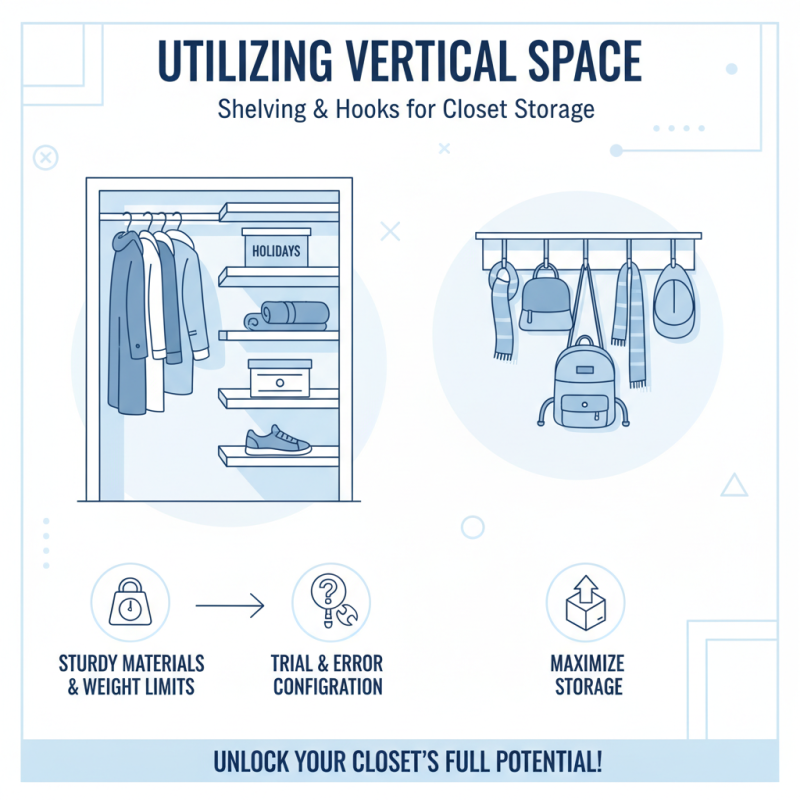
When it comes to closet storage, utilizing vertical space can drastically change the game. Shelving is a great option. Floating shelves can be installed high up, offering space for seasonal items like winter coats or holiday decorations. You need to consider weight limits and find sturdy materials. It might take a little trial and error to find the best configuration for your needs.
Hooks are a versatile addition. They can hold bags, scarves, or even accessories, freeing up shelf space. When positioning hooks, think about accessibility. Sometimes you may need to rearrange them based on your daily routine. It’s essential to avoid overcrowding. Each item should be easily reachable and visible, which makes the closet more functional.
Don’t forget about the back of the closet door. It’s often overlooked. Hanging organizers can make use of that surface effectively. Just be careful not to stack too many items; clutter can happen quickly. Reflecting on your setup periodically helps keep everything organized and efficient. Even small adjustments can lead to a more spacious feel.
Organizing Essentials with Bins and Baskets
When it comes to organizing a closet, bins and baskets can transform chaos into order. They provide defined spaces for your items, making it easier to find what you need. Small bins are perfect for accessories like belts and ties. Larger baskets can accommodate shoes or out-of-season clothing. This not only maximizes space but also reduces clutter.
Consider using labels for each container. Labels help you quickly identify the contents without rummaging through the bins. If you notice that certain bins are rarely opened, it might be time to reassess their contents. Are there items you no longer need? Reflection can help refine your organization strategy. Embrace the idea that perfect organization might not be realistic. It’s okay if things aren't always exactly where you want them. The goal is to simplify and create a system that works for you.
Remember to choose bins that fit your closet dimensions. Struggling with oversized containers can lead to frustration. Initially, things may feel crowded as you adjust. Over time, you’ll discover the right balance between functionality and aesthetics. Regularly revisit your storage setup and make adjustments as needed. This evolving process will ensure your closet remains efficient and tailored to your unique needs.
Top Closet Storage Tips for Maximizing Space Efficiently
| Tip Number |
Storage Solution |
Description |
Best For |
| 1 |
Hanging Organizers |
Utilize vertical space with pockets for shoes and accessories. |
Small accessories, shoes |
| 2 |
Storage Bins |
Clear bins for visibility or labeled bins for organization. |
Seasonal clothing, accessories |
| 3 |
Baskets |
Stylish baskets to store rolled clothing or items you frequently use. |
Frequent-use items, folded clothes |
| 4 |
Shelf Dividers |
Create sections on shelves to keep items neat and organized. |
Sweaters, jeans, and handbags |
| 5 |
Under-bed Storage |
Maximize space under your bed with flat bins or drawers. |
Off-season clothing, shoes |
Incorporating Sliding Doors for Space Efficiency
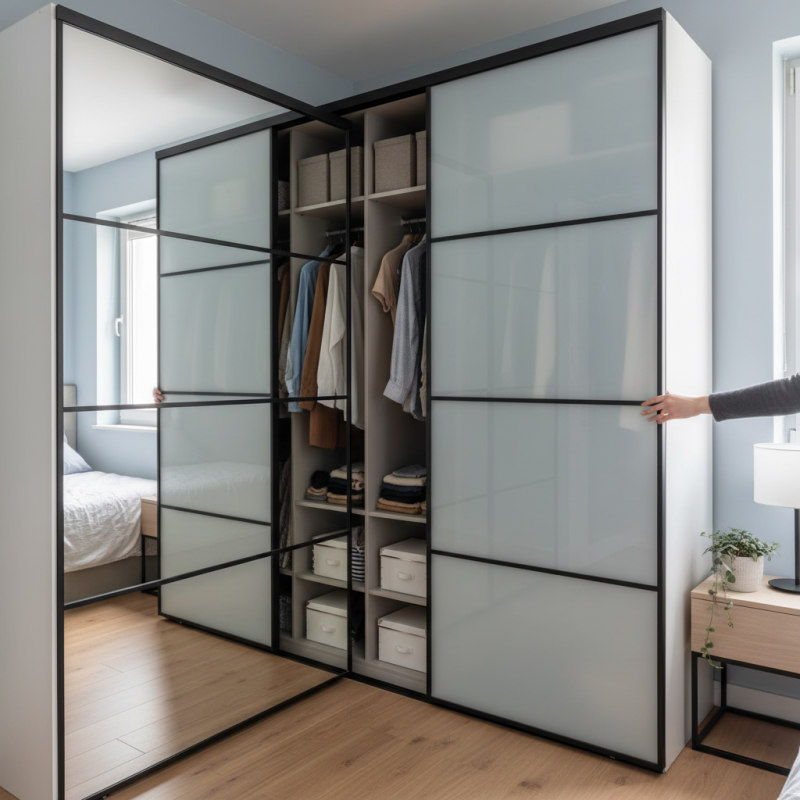
Incorporating sliding doors into your closet space can transform how you utilize that area. Unlike traditional hinged doors, sliding doors glide open without requiring additional space. This feature alone is a game-changer for smaller rooms. They allow for easy access while keeping the closet’s contents neatly hidden. You can choose between mirrored, frosted, or framed options to match your decor style.
Maximizing space with sliding doors also enhances the room’s aesthetics. A mirrored sliding door can create the illusion of a larger area. However, careful consideration is essential. Ensure the track mechanism is sturdy to prevent future frustrations. Regular maintenance can help keep your doors functioning well. It’s also worth noting that sliding doors may not suit every closet, especially in oddly shaped spaces.
To fully utilize your closet, focus on the interior organization too. Adding shelves or using storage boxes can lead to better visibility and accessibility. Sliding doors work best when you can easily see your items at a glance. Implementing these tips can make your space more efficient and stylish, but experimenting is key to finding what works best for your unique needs.
Seasonal Rotation: Maximizing Closet Functionality
Seasonal rotation is key for maximizing closet functionality. Changing seasons bring different needs. Winter coats take up space in summer. Conversely, summer clothes might be stuffed away in winter months. By regularly swapping items, you create more room for essentials.
Start by assessing your wardrobe. Remove clothing that no longer fits or remains unworn. This helps clarify what you really need.
Next, categorize items by season. Use labeled bins or vacuum-sealed bags for off-season storage. This not only keeps things tidy but also makes retrieval easy when needed.
Consider the temperature in your home. Warm, humid areas can cause clothing damage. Check for moisture and pests. Simple steps like adding cedar blocks can prevent damage.
Rotating your clothes regularly helps you remember what you have. It also encourages you to rotate your favorites back into your lineup. Adjusting your wardrobe to the seasons keeps it fresh and functional.