China’s clothing-rack market spans factory-direct workshops, export-focused manufacturers, and suppliers offering custom finishes. The differences can be easy to miss in a product photo. A black steel rack may look sturdy, yet its tube thickness, weld quality, and base design determine how it performs with heavy coats.
This guide compares ten Chinese suppliers using practical sourcing criteria: product range, customization, manufacturing evidence, communication, and order requirements. It also points out details worth checking, such as whether a rack’s stated load capacity applies to the whole unit or each bar. Small distinction. Requesting a sample or clear specification sheet can help buyers judge fit before committing to a larger order. Supplier claims still need verification; a polished catalog is not proof of consistent production.
I can’t reliably attribute a quotation to a named Clothing Racks expert without a verifiable source. Instead, this guide follows a clear sourcing principle: “Compare the construction behind the picture, not just the picture itself.” The ranking is intended as a starting point, not a guarantee. Needs vary by retail format, budget, and shipping plan, and some useful supplier details may change over time.
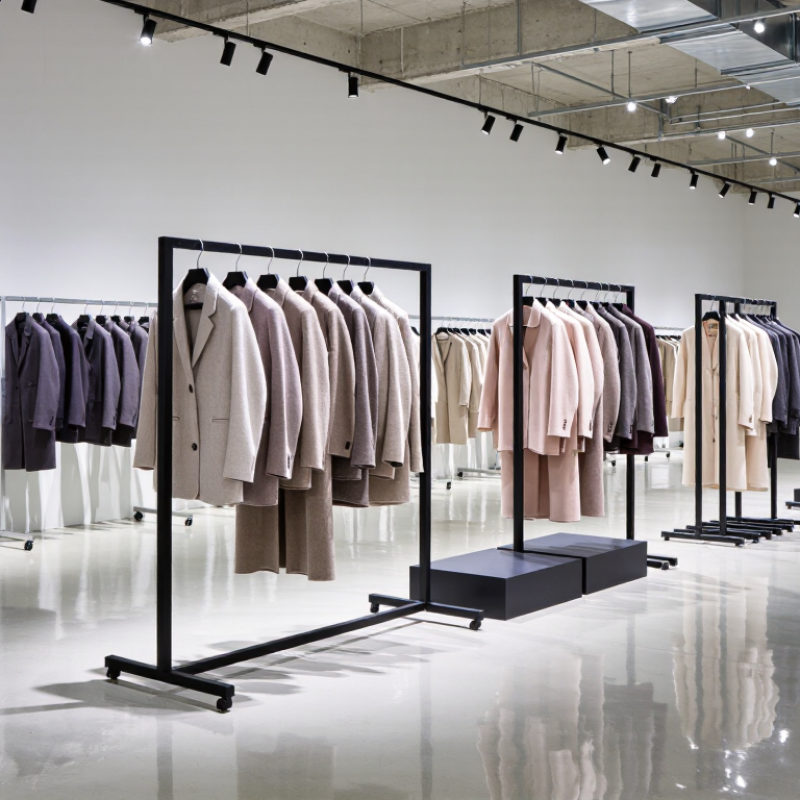
Clothing rack suppliers do more than sell metal frames. They help retailers, warehouses, and garment makers choose equipment suited to daily handling. In China, suppliers may offer standard racks, custom dimensions, sample production, and export packing. Their role often begins with practical questions: How many garments will each rack hold? Will it roll across polished concrete or stay in one place? Small details matter. A 25-millimeter steel tube may feel sturdy, but the joints, coating, and wheel locks also affect service life.
It helps to compare several suppliers using the same requirements, rather than judging only by price. There are trade-offs. A lighter rack may reduce shipping costs, yet bend more easily under heavy garments. Custom orders can fit a store layout, but they may require longer production time. Even careful checks cannot predict every issue; packaging can vary, and measurements deserve confirmation before a large order. Good communication makes those limits easier to manage.
Choosing a clothing rack supplier in China takes more than comparing catalog prices. Start with the intended use: a boutique display, a warehouse aisle, or a rolling rack for daily garment handling. Ask for load ratings and check whether they apply to the whole rack or each rail. A difference matters when coats replace lightweight shirts. Look closely at welds, tube thickness, caster locks, and finish consistency. Small details count.
Request a sample or a clear assembly video before placing a large order. Check that the rack stands level on a hard floor and that its joints do not wobble under a realistic load. Ask how dimensions are measured, what materials are used, and whether packaging protects corners and wheels during transit. Good answers should be specific, not just “high quality.” That phrase proves little.
A capable manufacturer should provide drawings, inspection records, and a defined process for handling defects. Confirm production capacity and lead times against your required quantity, then ask how changes are documented. If you need custom height or color, get the final specifications in writing. Compare quotations line by line, including packaging and spare parts. Cheap can become costly. I would also verify a supplier’s claims independently; a polished sample may not reflect every batch. That check is easy to skip, and sometimes it is.
Use these criteria to compare and shortlist Chinese clothing rack suppliers. The table is an evaluation framework, not a ranked list of named companies; verify supplier-specific claims with current documentation and samples.
| # | Evaluation Criterion | What to Assess | Practical Verification | Suggested Weight |
|---|---|---|---|---|
| 1 | Product range and fit | Whether the supplier makes the required garment rails, display racks, rolling racks, or adjustable systems. | Review product specifications, dimensions, load ratings, and current product samples. | High |
| 2 | Material and construction | Material type, tube dimensions, joint design, finish, and consistency with the agreed specification. | Request a bill of materials, drawings, and a pre-production sample; check critical dimensions. | High |
| 3 | Load capacity and stability | Stated safe working load, resistance to tipping, and performance under the intended use conditions. | Ask for the test method and results; independently test a representative sample where appropriate. | High |
| 4 | Customization capability | Ability to produce requested sizes, colors, finishes, accessories, or packaging configurations. | Confirm tooling needs, development charges, sample lead time, and written approval procedures. | Medium–High |
| 5 | Quality control process | Incoming material checks, in-process inspections, final inspection, and handling of defects. | Request inspection records and an agreed quality checklist; consider a pre-shipment inspection. | High |
| 6 | Production capacity and lead time | Available production capacity, seasonal constraints, and realistic sample and order schedules. | Obtain a written production plan and confirm capacity for the specific order quantity and delivery window. | High |
| 7 | Pricing and commercial terms | Itemized pricing, minimum order quantities, payment terms, tooling charges, and quotation validity. | Compare like-for-like quotations that specify materials, finish, packaging, and delivery terms. | Medium–High |
| 8 | Export packaging and logistics | Protection against transit damage, carton efficiency, labeling, and coordination of shipment documents. | Review packaging specifications and a packed sample; clarify Incoterms and document responsibilities. | Medium–High |
| 9 | Compliance and documentation | Documents and tests relevant to the destination market, product design, materials, and buyer requirements. | Verify certificates and reports with the issuing body; check that they cover the exact product and model. | Medium–High |
| 10 | Communication and after-sales support | Responsiveness, clarity in written specifications, warranty terms, spare parts, and corrective-action support. | Track response times during sampling and obtain written warranty and defect-resolution terms. | Medium |
Suggested weights are general starting points, not supplier ratings. Adjust them to your product requirements, destination market, and order priorities.
A useful top-ten shortlist should compare manufacturing strengths, not just product photos. Chinese suppliers may focus on rolling garment racks, wall-mounted rails, retail display systems, or compact units for homes. Check whether a factory can provide steel or stainless-steel options, adjustable heights, locking wheels, and finishes that resist scratches. Ask for dimensions, load limits, and clear product drawings. Small details matter. A rack that looks sturdy online may wobble when loaded with winter coats.
Before choosing a supplier, request samples or a short video showing assembly and stability on a flat floor. Compare packaging, production lead times, customization options, and the supplier’s process for handling defects. Clear answers are a good sign, but verify claims against written specifications. If possible, test a sample with the weight you expect to display. One weakness in any supplier comparison is that public information may not reveal how consistent each production batch is. A polished catalog cannot prove long-term durability. Buyers should weigh price against materials, weld quality, finish, and after-sales support, then select suppliers suited to their actual store or storage needs.
What Are the Top 10 Clothing Rack Suppliers in China? Comparing Product Ranges, Production Capacity, and Services
Comparing clothing rack suppliers takes more than browsing product photos. Check whether each supplier offers garment rails, display racks, shelving, and options for different finishes. A useful product range should match your store layout, load requirements, and available floor space. Ask for dimensions, material thickness, and stated weight limits. Details matter.
Production capacity can affect both lead time and consistency. Ask how many units the factory can produce monthly, and whether that figure applies to your chosen design. Request a sample or clear inspection photos before placing a large order. Check how the supplier handles packaging, spare parts, and shipping updates. Promises sound reassuring, but written specifications are easier to verify. I would still leave room for error: sample quality may not perfectly reflect a full production run.
Tips: Compare the same rack specification across suppliers, including steel tube size, finish, and carton protection. Ask for a production schedule and clarify how delays are reported. Notice how clearly the sales team answers technical questions. A slow or vague reply is not proof of poor service, but it deserves follow-up. Shortlist suppliers that provide consistent documents, realistic timelines, and practical after-sales support.
How to compare clothing rack suppliers
This chart presents a neutral evaluation framework, not verified scores or a ranking of the top 10 suppliers. Each criterion is weighted equally; supplier-specific data should be verified before making comparisons.
When assessing a clothing rack supplier, look beyond catalog photos. Ask for drawings with dimensions, tube thickness, finish, and rated load. A rack may look sturdy online but wobble when fitted with wheels. Request a sample and test it on the floor: hang garments across the bar, roll it over a threshold, and check whether joints loosen. Small details matter. Inspect welds, sharp edges, coating consistency, and packaging protection.
Before placing a larger order, confirm production lead time, minimum order quantity, customization options, and how defects are handled. Ask for recent product specifications and clear photos of the actual model, not only polished showroom images. Compare quotations on the same basis, including carton size, spare parts, and shipping terms. A low unit price can hide thinner tubing or weaker casters. It happens.
Keep communication specific. Send a simple drawing or marked-up photo showing the height, width, finish, and intended use. Request written confirmation of every change before production starts. If a supplier avoids direct answers about load capacity or sample availability, pause and verify the details. No single test guarantees long-term performance, and a sample may not reflect every production unit. Build in a realistic inspection step and allow time for adjustments.