As we look ahead to 2026, the world of Upper Cabinets is evolving in exciting ways. Renowned designer Sarah Chen notes, "Upper Cabinets are more than storage; they're a canvas for personal expression." This perspective highlights how design trends will shape not just functionality, but also aesthetics.
Innovative materials and customizable features are on the rise. Homeowners increasingly seek Upper Cabinets that reflect their unique style. Sleek finishes, bold colors, and smart organization options are becoming essential elements. However, balancing practicality with design can be a challenge.
The tension between contemporary trends and timeless appeal raises questions. Will homeowners prioritize new styles over lasting quality? As we explore the top trends, it's important to reflect on how your choices impact both functionality and visual appeal in your kitchen space.
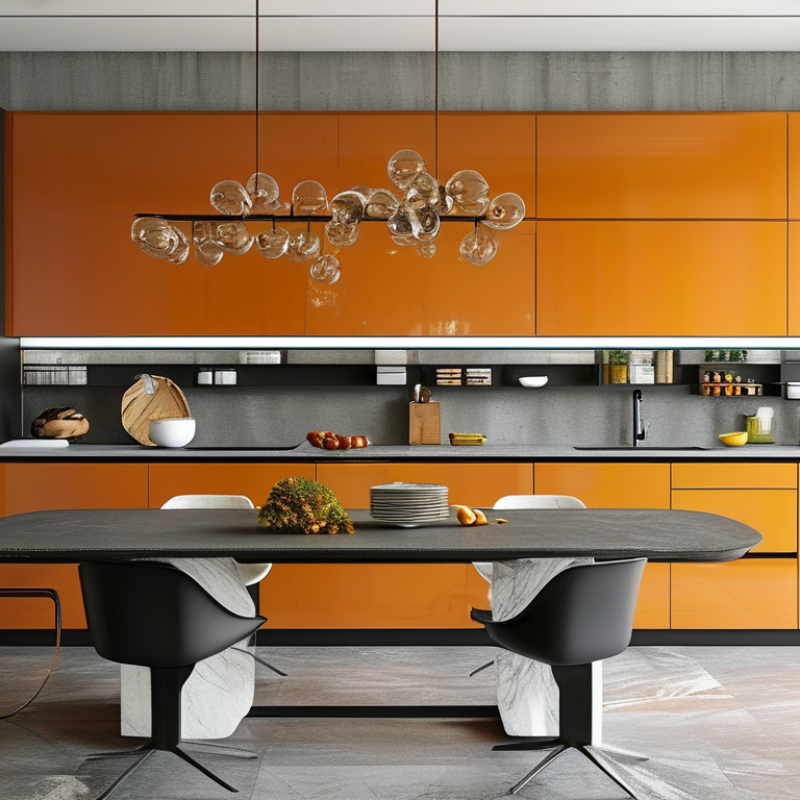
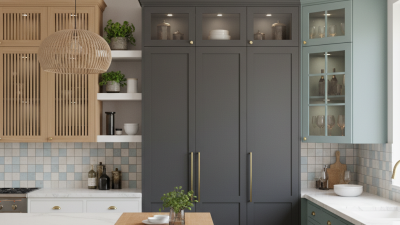
In 2026, upper cabinet color schemes will embrace bold and vibrant shades. Homeowners will gravitate towards deep greens, rich blues, and warm earthy tones. These colors add personality and depth to kitchens, creating a cozy yet modern ambiance. Pairing these hues with natural wood accents can elevate the overall design.
Tips: Consider the size of your kitchen. Smaller spaces might benefit from lighter shades, keeping the room feeling open. Larger kitchens can handle darker colors well. Remember to test paint samples against different light conditions throughout the day.
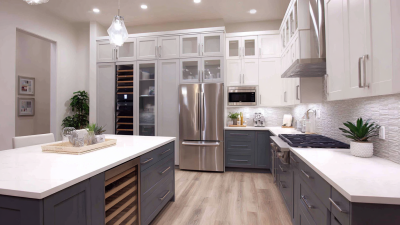
Muted pastel colors will also make a comeback. Soft pinks, gentle yellows, and light blues create a serene atmosphere. These shades work well in both traditional and contemporary designs. They can soften the starkness of white countertops or stainless steel appliances.
Tips: Update your cabinet hardware to complement new colors. Choose finishes that contrast or blend with your selected palette. Small changes can make a powerful impact. Lastly, reflect on your personal style. Make sure the colors resonate with you, as they have the potential to last for years.
Sustainable materials are shaping the design of upper cabinets in 2026. As environmental concerns rise, homeowners seek eco-friendly options. Reports show that over 70% of consumers prioritize sustainability in home improvements. This demand drives innovative cabinet solutions.
Wood alternatives like bamboo and recycled materials gain popularity. Bamboo is light, strong, and grows rapidly. It reduces deforestation concerns while adding a unique aesthetic. Recycled aluminum is another option, offering durability and a sleek look. Industry data reveals that products made from recycled materials can reduce carbon footprints by up to 30%.
Tip: Choose certified sustainable wood options. Look for FSC certification to ensure responsible sourcing. It’s a simple way to contribute to environmental preservation.
The trend isn't without challenges. Sourcing sustainable materials can be pricier. Not every eco-friendly option performs equally well. Consumers often face mixed reviews on longevity and maintenance. Research into material properties is crucial for informed decisions.
Tip: Consider the lifecycle of materials. Think about how they perform over time, not just their initial appearance. Prioritize those that offer both beauty and resilience.
As we look toward 2026, innovative storage solutions in upper cabinet trends are transforming kitchen design. Homeowners prioritize functionality without sacrificing style. The shift toward modular designs allows for personalized storage, accommodating diverse needs. Custom shelves and adjustable racks enhance accessibility, making every inch count.
One notable trend is the integration of smart technology into cabinets. Built-in lights and automated doors simplify access to your favorite items. However, these advancements can create dependency on tech. It’s essential to weigh convenience against potential malfunctions that may arise. Classic appeal remains in demand, too, with open shelving offering a contrast to closed cabinetry.
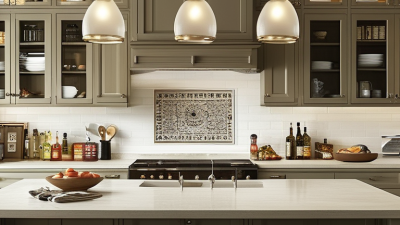
Glass front cabinets are becoming more popular, showcasing beautiful dishware and decor. Yet, they require constant upkeep to avoid clutter. Additionally, the trend toward minimalist design can sometimes lead to an overly sterile feel. Balancing aesthetics with warmth is vital. Thoughtful design should enhance both beauty and organization in your space.
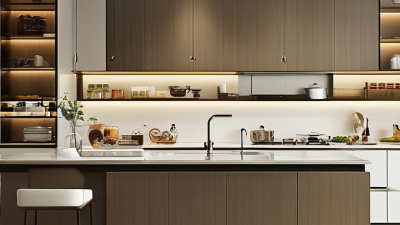
The trend of open shelving is reshaping the design of upper cabinets. In recent years, 60% of homeowners have opted for open shelving over traditional cabinet designs. This increase highlights a shift toward minimalism and functional aesthetics in kitchens. Open shelving allows for easier access to items, reducing the hassle of searching through cabinets. However, it also demands a higher level of organization, posing challenges for many.
Reports indicate that consumers are more inclined to display decorative dishes and cookware. This visibility encourages creativity in kitchen décor but also exposes storage limitations. Homeowners must be deliberate when selecting which items to display. While the appeal of open shelving is significant, it requires ongoing maintenance to keep items dust-free and visually appealing. This can lead to frustration for those who prefer simplicity.
The influence of open shelving is apparent in contemporary upper cabinets. A study showed that nearly 40% of newly designed kitchens now incorporate a mix of open shelves and traditional cabinetry. This hybrid approach combines accessibility and concealment, appealing to diverse consumer preferences. Designers must consider both aesthetic appeal and practicality to cater to evolving tastes in kitchen design. Balancing these elements is crucial for successful kitchen remodels.
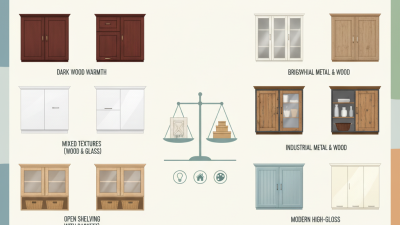
This chart illustrates the top 10 upper cabinets trends expected to gain popularity by 2026, highlighting the rise of open shelving and other influential styles that cater to current consumer preferences.
The integration of smart technology into upper cabinet features is gaining traction in 2026. This trend reflects a broader shift towards automation in home design. According to a recent industry report by the National Kitchen and Bath Association, 70% of homeowners prioritize smart appliances and features for their kitchens. As technology advances, upper cabinets are adapting to meet these new demands.
Smart cabinets now offer solutions beyond static storage. Some designs include integrated lighting systems that can adjust based on user preferences or time of day. Motion sensors activate internal lights as you approach, providing an inviting atmosphere. Additionally, features like built-in wireless charging pads also enhance functionality. This responsiveness can elevate the kitchen experience but may demand additional considerations for installation and maintenance.
Another essential aspect is the utilization of durable materials that support smart components. As these technologies evolve, they may face challenges regarding durability and device compatibility. Reports suggest that 40% of homeowners are concerned about the lifespan of these smart features. Finding a balance between innovation and reliability is crucial as trends advance, ensuring that technology serves both style and function effectively.
| Trend | Description | Technology Integration | User Benefits |
|---|---|---|---|
| Smart Lighting Controls | Cabinets equipped with adjustable, sensor-based lighting systems. | Automatically adjust brightness based on time of day. | Enhances visibility and ambiance while saving energy. |
| Touchless Technology | Cabinets with motion sensors for opening and closing doors. | Allows hands-free access to upper cabinets. | Promotes hygiene and convenience, especially in busy kitchens. |
| Smart Organizers | Cabinet systems that optimize space with automated organizers. | Integrates with smart home systems to optimize storage. | Helps in efficient space management and organization. |
| Voice Activation | Cabinets controlled through voice commands. | Compatible with major home assistant services. | Increases accessibility for all users, including those with disabilities. |
| Integrated Charging Stations | Cabinets featuring built-in USB ports and outlets. | Easily charge devices without cluttering counters. | Offers convenience for tech-savvy kitchens. |
| Augmented Reality Features | Cabinets that utilize AR for visualizations and designs. | Provides a visual guide for installations and adjustments. | Enhances customer experience during cooking and remodeling. |
| Self-Cleaning Surfaces | Cabinet materials that utilize nanotechnology for cleaning. | Resists stains and bacteria effectively. | Greatly reduces maintenance time and effort. |
| Smart Sensors for Inventory | Cabinets with built-in sensors to track contents and usage. | Connects with apps to create shopping lists. | Enhances meal planning and reduces food waste. |
| Adaptive Climate Control | Cabinets that maintain optimal temperatures for stored goods. | Utilizes sensors to adjust internal climates. | Increases longevity of food items and preserves quality. |