Ultimate Kitchen Storage Tips for Small Spaces?
In today's world, efficient Kitchen Storage is essential, especially in small spaces. According to a recent industry report by the National Kitchen and Bath Association, nearly 50% of homeowners express concern over inadequate storage in their kitchens. This reflects a significant challenge faced by many, as kitchen clutter can lead to stress and inefficiency.
Maximizing storage requires not just creative thinking but also strategic planning. Factors such as the layout, available vertical space, and multi-functional furniture play crucial roles. For instance, utilizing wall-mounted shelves can free up precious counter space while providing easy access to essential items. Additionally, a study by the American Institute of Architects revealed that 70% of newly designed kitchens incorporate innovative storage solutions, highlighting the importance of adaptability in design.
However, small kitchen spaces often come with their unique set of challenges. Limited square footage can make it hard to implement these storage solutions effectively. Homeowners may struggle to find a balance between aesthetics and functionality. Reflecting on your kitchen's specific needs can lead to valuable insights. Each kitchen is unique, and recognizing what works for your space involves trial and error.
Ultimate Kitchen Storage Tips for Small Spaces
Maximizing storage in small kitchens can be a challenge. Utilizing
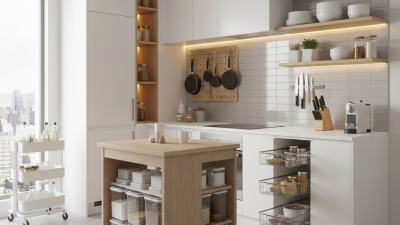
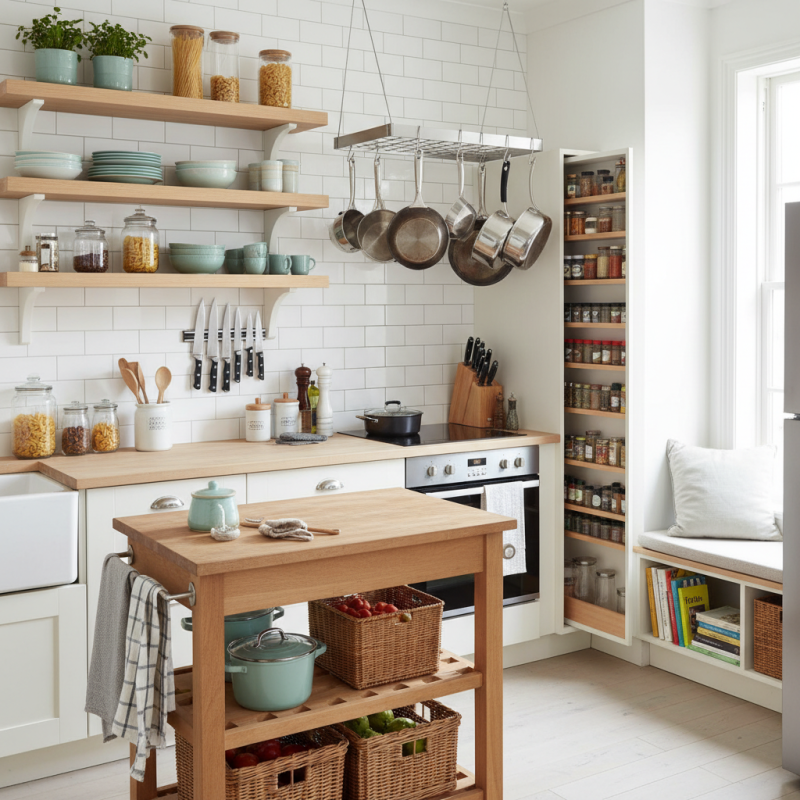
vertical space is key. Install shelves above counters or cabinets. This allows you to store dishes or ingredients out of the way.
Hanging pots and pans can free up valuable drawer space. Magnetic strips can hold spice jars or tools, creating an organized, accessible setup.
Every inch of your kitchen can serve a purpose. Think about using the back of cupboard doors for spices or utensils.
Small bins can make a difference, keeping items grouped by use. Don’t forget about under-sink storage.
Clear bins or stacking organizers can turn a cluttered space into a neat haven. Reflect on what you truly need, and consider a
seasonal change. Some items can be stored away, allowing room for the essentials.
Experimenting with layouts can reveal new possibilities. Sometimes, what feels cluttered is just a need for reorganization.
Be mindful of what you keep. If something hasn’t been used in a year, it may not need a place in your kitchen.
Embracing imperfections in your storage can lead to creative solutions. Each small change may spark inspiration for further improvements.
Maximizing Vertical Space: Shelving Solutions for Small Kitchens
Small kitchens can feel cramped, but utilizing vertical space is key. Shelving solutions offer a functional way to store essentials. Consider wall-mounted shelves. They draw the eye upward and free up floor space. Open shelves can showcase colorful dishes, adding personality and function. However, careful organization is needed to avoid clutter.
Another effective method is using corner shelves. These often-overlooked areas provide extra storage without wasting space. Fill them with spices, cookbooks, or decorative items. Floating shelves are also a great option. They enable you to use air space creatively. Prioritize items used daily at eye level for convenience.
It’s essential to maintain balance. Too much on display can create chaos. Regularly assess what you really need. Items that rarely get used can take up valuable space. Simplicity sometimes beats style. Empty spaces can also create a sense of calm in a busy kitchen. Embrace imperfections and adapt your setup as needs change.
Multi-functional Furniture: The Key to Efficient Kitchen Design
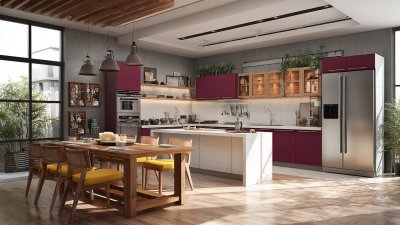
When designing a kitchen in a small space, multi-functional furniture plays a crucial role. According to a recent industry report, 65% of homeowners find multifunctional furniture enhances their kitchen's usability. This type of furniture can serve multiple purposes, such as dining tables that double as food prep areas or islands with built-in storage. Utilizing such dual-purpose designs maximizes every square foot.
Consider incorporating foldable tables or rolling carts. These options provide flexibility and can be tucked away when not in use. Open shelving, a popular choice, can display decorative items while keeping essentials accessible. A study reveals that open shelving can save up to 30% more space compared to traditional cabinets.
However, it requires regular upkeep to be effective, as clutter can quickly accumulate.
Reflecting on the balance between style and functionality is vital. Many stylish designs may compromise on storage capacity. It's essential to find a middle ground. Selecting pieces that blend seamlessly into your decor while optimizing space is key. This approach not only enhances the kitchen's aesthetics but also contributes to a more efficient workflow.
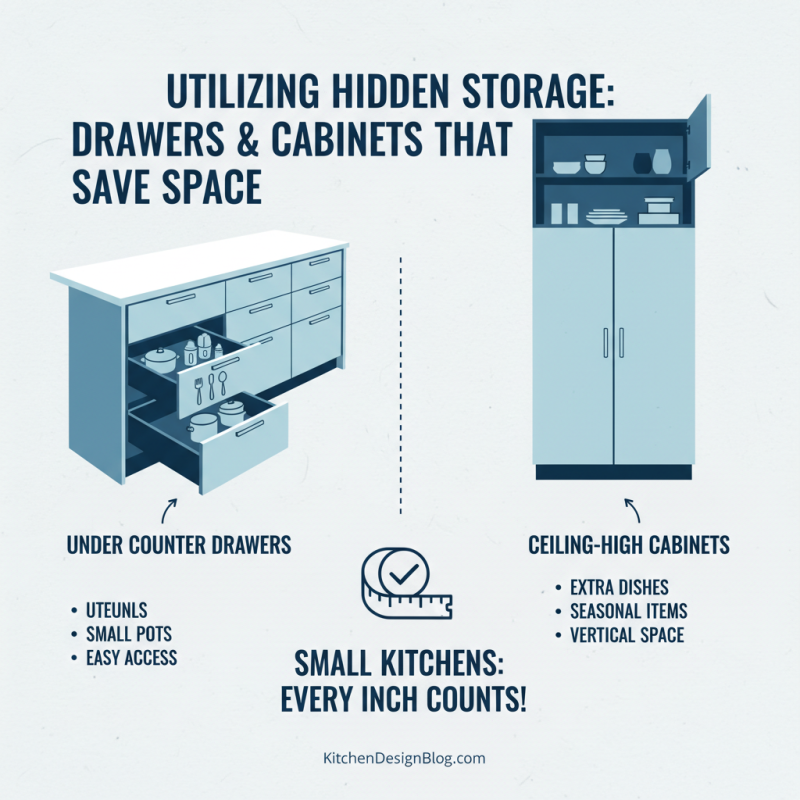
Utilizing Hidden Storage: Drawers and Cabinets that Save Space
In small kitchens, every inch counts. Utilizing hidden storage can dramatically change the functionality of your space. Consider incorporating drawers under countertops. These can be excellent for utensils or small pots. Often, we overlook vertical space. Cabinets that reach the ceiling provide extra room for dishes or seasonal items.
Another effective solution is pull-out cabinets. They make accessing deep storage easier. You can organize spices, baking sheets, or even canned goods. However, the challenge lies in planning. Not every design will suit your needs. It's essential to visualize how you cook and store items.
Hidden storage doesn’t always mean perfect organization. Some may find it hard to maintain tidiness. Regularly sorting through hidden compartments can be a daunting task. Still, embracing this unique storage method can lead to a more open and welcoming kitchen atmosphere. It encourages creativity in maximizing limited areas.
Smart Organization Tools: Bins and Containers for Clarity and Access
In small kitchens, organization is crucial for maximizing space. According to a recent survey by the National Kitchen and Bath Association, 70% of homeowners struggle with storage issues in compact areas. Using smart organization tools, like bins and containers, can provide clarity and easy access to your kitchen essentials.
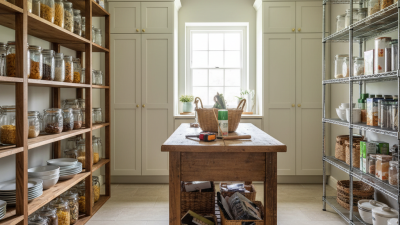
Clear containers are a game changer. They allow you to see what's inside at a glance, eliminating the need to dig through cluttered shelves. For example, grouping similar items—such as pasta, rice, and spices—in labeled bins adds a touch of order. Industry reports suggest that kitchens with effective organization systems can increase efficiency by up to 30%. However, relying solely on aesthetics can lead to frustration if practicality is overlooked.
Open shelving is trendy, but it can become messy quickly. Items can easily gather dust, and chaos can ensue. While it may look appealing, constant upkeep is essential. Not every solution will work perfectly for every individual. Adapting containers based on your cooking habits is key. Sometimes, you need to rethink your layout and adjust to your daily routine.
Ultimate Kitchen Storage Tips for Small Spaces
This chart illustrates the effectiveness of various smart organization tools like bins and containers in maximizing kitchen storage space. The data shows the average user satisfaction rates for different storage solutions based on their clarity and access.
Conclusion
Effective kitchen storage is essential for maximizing functionality in small spaces. This article explores various strategies to optimize kitchen storage, starting with maximizing vertical space through shelving solutions. By utilizing wall-mounted shelves, homeowners can free up valuable counter space while keeping essentials within reach.
Multi-functional furniture plays a crucial role in efficient kitchen design, allowing for more utility in limited areas. Additionally, incorporating hidden storage options, such as drawers and cabinets, can significantly enhance space-saving capabilities. Smart organization tools like bins and containers help maintain clarity and easy access to kitchen items. Finally, adopting decluttering strategies fosters a minimalist approach to kitchen storage management, ensuring every item has its place and contributes to a tidy, efficient cooking environment.