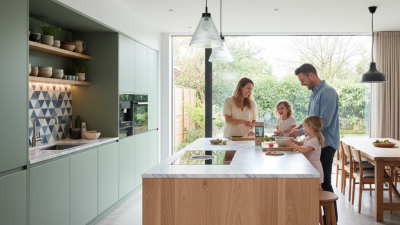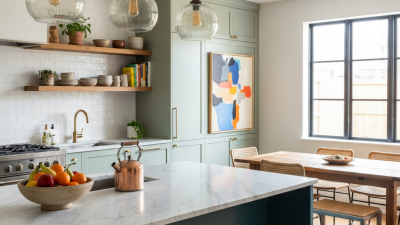
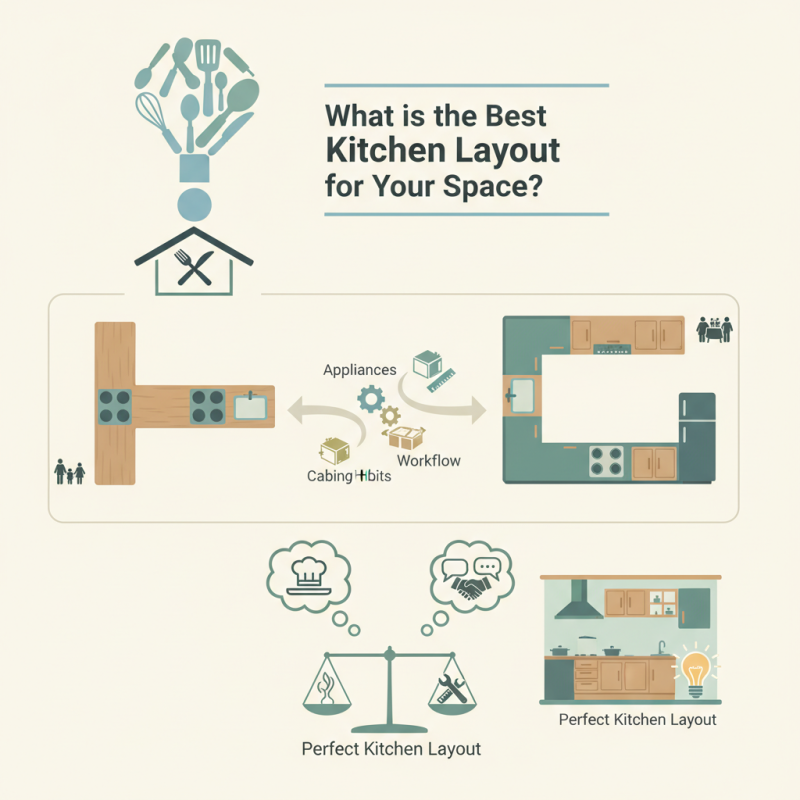
A well-designed kitchen layout is essential for any home. It affects both functionality and aesthetics. Choosing the right layout gives you a space that’s efficient and inviting. Think about how your family uses the kitchen daily. Different layouts serve various needs. You may find that an L-shape is ideal for smaller spaces. Meanwhile, a U-shape offers ample storage and workspace for larger areas.
However, not every layout fits all. Consider your appliances, cabinets, and workflow. A cluttered kitchen can lead to frustration. A poorly planned kitchen layout might waste space and time. Reflect on your cooking habits and guest interactions. These insights guide you towards the best design.
Ultimately, your kitchen layout influences your cooking experience. Striking a balance between form and function cultivates a comfortable environment. Embrace the potential challenges that come with redesigning your space. With careful planning, the perfect kitchen layout is within your reach.
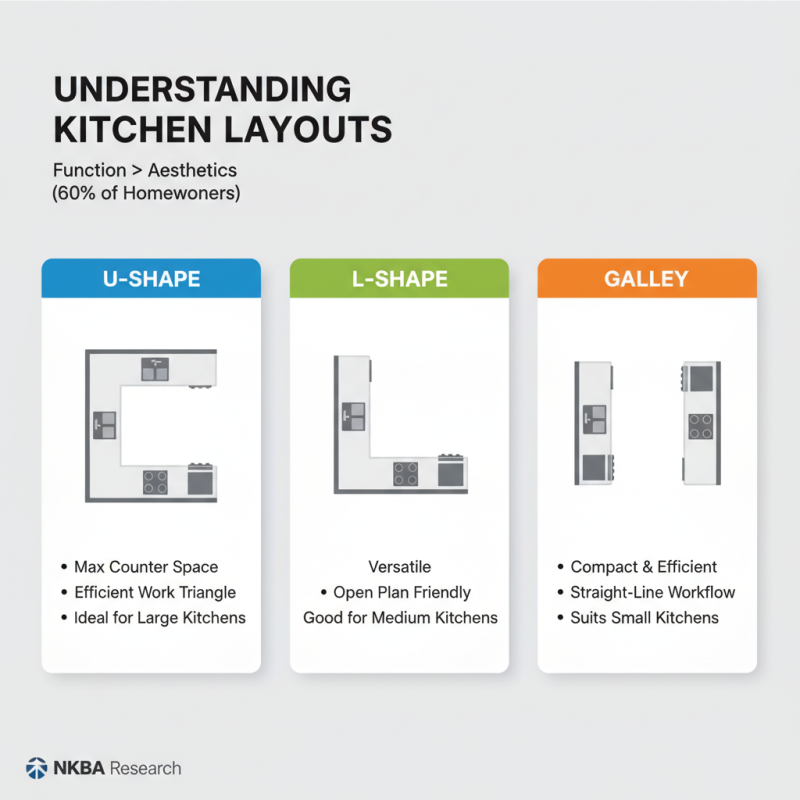
When it comes to kitchen design, several layouts cater to different space configurations and homeowner preferences. A detailed report from the National Kitchen and Bath Association reveals that 60% of homeowners prioritize function over aesthetics when choosing their kitchen layout. The most common layouts include the U-shape, L-shape, and galley, each offering various advantages and challenges.
The U-shape kitchen is lauded for its efficient workflow, with three walls of cabinets providing ample storage. However, in small spaces, this layout may feel cramped and limit movement. The L-shape kitchen promotes open space and is ideal for entertaining; yet, without careful planning, it can suffer from poor workflow and isolation from other areas of the home. The galley kitchen, often favored in smaller homes, maximizes storage and counter space, but limited pathways could make the cooking experience less enjoyable.
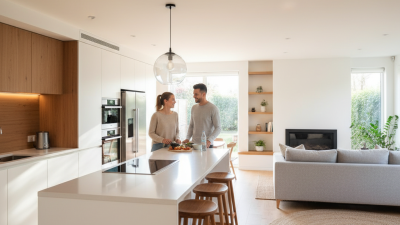
Understanding these layouts is crucial. Choosing the right kitchen configuration depends on lifestyle, space, and personal needs. A report from Houzz indicates that 45% of homeowners want an open layout that flows into adjacent living areas. Balancing aesthetics and functionality continues to challenge many, as the kitchen becomes a central hub for family life and gatherings in modern homes.
The kitchen work triangle is a key concept in maximizing efficiency. It consists of three main work areas: the stove, the refrigerator, and the sink. According to the National Kitchen and Bath Association, this triangle should ideally form a compact triangle for optimal workflow. The goal is to minimize the distance between these areas, ensuring easy access while cooking.
A well-planned work triangle can significantly enhance kitchen functionality. Evidence suggests that a properly designed triangular layout can improve kitchen efficiency by up to 50%. However, not all kitchens are created equal. Some layouts might create unnecessary foot traffic or hinder movement due to poor design. A study from the Home Improvement Research Institute indicates that many homeowners overlook the importance of this triangle, leading to frustrating cooking experiences.
While the triangular layout works for most, it isn't foolproof. Some users find that an open-concept kitchen disrupts this flow. The constant movement of people can create distractions. Thus, reflecting on personal habits is essential. Do you often need to navigate around family members? An effective kitchen design requires careful consideration of daily activities and flow, ensuring everything works harmoniously together.
| Kitchen Layout | Description | Advantages | Disadvantages | Ideal Space (sq ft) |
|---|---|---|---|---|
| Galley | Two parallel countertops with a walkway in between | Efficient use of space, great for small kitchens | Limited work space, can feel cramped | 70-150 |
| L-Shaped | Two adjacent walls forming an L shape | Open and spacious, good workflow | Limited cabinetry and counter space | 100-250 |
| U-Shaped | Countertops on three sides, forming a U shape | Ample storage and workspace | Requires more space, can be isolated | 150-300 |
| Island | A standalone counter in the center of the kitchen | Encourages social interaction, adds storage | Requires significant square footage | 200+ |
| Peninsula | An island that is connected to a wall or counter | Adds functionality, retains openness | Can interrupt workflow, requires good layout | 150-300 |
When considering kitchen layouts, each style presents unique pros and cons. The classic U-shape is favored for its efficiency. It creates a work triangle that minimizes movement. However, it may require more space, which is not ideal for smaller homes. This layout is excellent for families who enjoy cooking together.
An L-shaped kitchen offers more open space. It allows for easy movement between work areas. This design is suitable for socializing, as it integrates well with dining areas. On the downside, it can limit counter space. You might find yourself short on room for appliances. It’s important to weigh whether you value openness or workspace.
Galley kitchens are another popular option. They maximize efficiency in compact spaces. This style can make cooking feel streamlined. However, it may lack versatility. If you enjoy hosting, a galley kitchen can feel isolating. Consider the balance between utility and social engagement. Each layout has its distinct character, and the best choice depends on your lifestyle.
In a small kitchen, every inch matters. Consider using vertical space to your advantage. Installing shelves above countertops allows for easy access to frequently used items. Magnetic strips can hold utensils, freeing up drawer space. Cabinet organizers help maximize storage, promoting seamless workflow.
Open shelving adds a visual appeal while keeping essentials within reach. It creates a sense of space, making the kitchen feel larger and more inviting. However, open shelves require consistent organization, which can be challenging. Clutter can quickly accumulate, leading to a disorganized look.
Island units can serve multiple purposes. They offer prep space while doubling as a casual dining spot. But, ensure there's enough room to maneuver around it. A poorly placed island can hinder movement. Instead of cramming everything in, prioritize what you truly need. This focus can transform a cramped kitchen into a functional area that reflects your lifestyle.
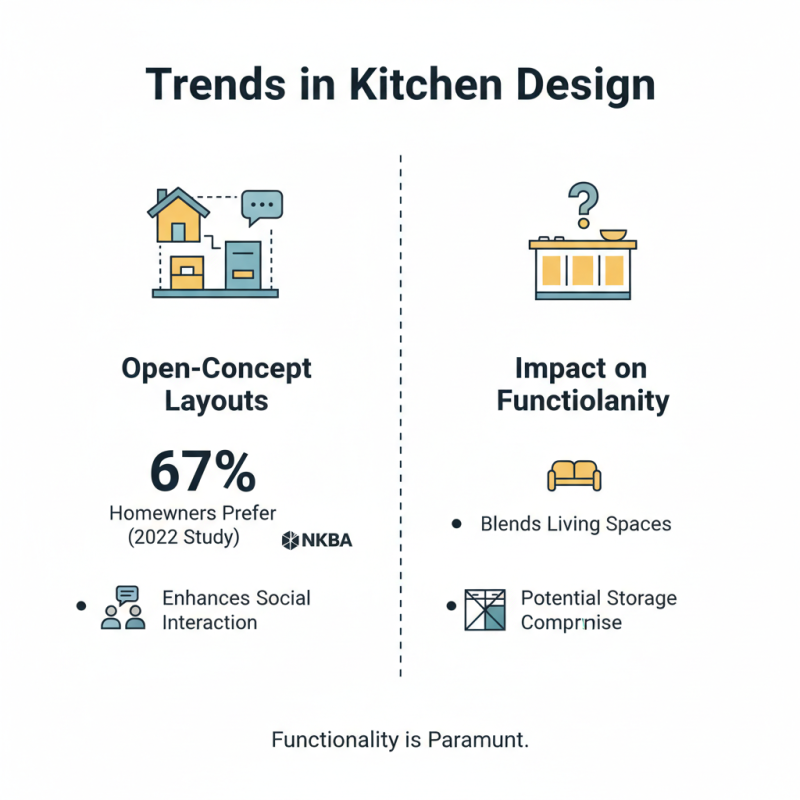
When considering kitchen design, functionality is paramount. Recent trends indicate that open-concept layouts remain popular. According to a 2022 National Kitchen and Bath Association study, 67% of homeowners prefer these layouts for their ability to blend spaces. This design enhances social interaction, yet it may compromise storage.
Another key finding relates to the impact of efficient workspace design. A well-planned kitchen allows for a smoother workflow. The work triangle—linking the stove, sink, and refrigerator—is essential for maximizing efficiency. A recent report noted that kitchens designed around the work triangle can reduce meal prep time by up to 30%. However, some modern layouts prioritize aesthetics over function. This trend can lead to design choices that look good but hinder practical use.
Current trends also emphasize eco-friendly materials and energy-efficient appliances. A survey by Houzz revealed that 47% of homeowners consider sustainability when renovating kitchens. This shift often leads to smaller layouts that require careful planning. While these designs can save on energy costs, they may also limit overall functionality if not executed thoughtfully. Homeowners need to consider their cooking habits and space utilization to create a truly functional kitchen.