Best Dining Tables for Every Style and Budget in 2026?
Dining tables are more than just furniture; they are the heart of a home. In 2026, the dining table market is projected to reach $22.5 billion, reflecting changing consumer preferences and lifestyles. As remote work increases, the focus on home environments has intensified. A well-chosen dining table can enhance both functionality and aesthetic appeal, catering to diverse tastes and budgets.
Industry experts emphasize the significance of material and design. Solid wood remains popular, admired for its durability and classic look. However, glass and metal options attract modern buyers seeking sleek styles. According to a recent report from Statista, around 35% of consumers prioritize sustainability when selecting these tables. This trend points to a larger shift in consumer values, blending aesthetics with environmental consciousness.
Choosing a dining table requires careful consideration. Not all tables suit every space, and personal style varies significantly. While some may prefer minimalistic designs, others might favor rustic or eclectic styles. Recognizing these nuances is essential in making a choice. Ultimately, the right dining table enhances the dining experience and reflects individual personality. It's not just about the price; it's about finding the perfect fit for your home.
Overview of Dining Table Styles and Trends in 2026
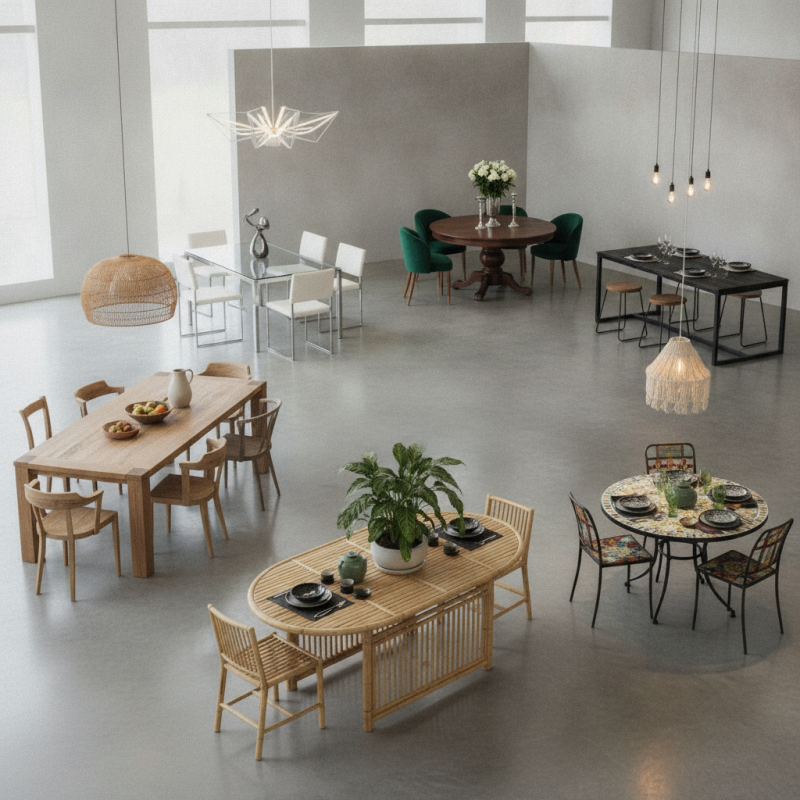
In 2026, dining table styles reflect a blend of comfort and aesthetics. The growing trend emphasizes sustainability, with materials like reclaimed wood and bamboo gaining popularity. According to industry reports, 45% of consumers prioritize eco-friendly materials. This shift underscores a heightened awareness of environmental impact among buyers.
Minimalist designs continue to dominate. Clean lines and neutral colors make spaces feel uncluttered. A survey indicated that 38% of people prefer modern, simple styles that fit small apartments. In contrast, more decorative tables are making a comeback. They often feature intricate details and bold colors, catering to those who desire uniqueness in their dining experience.
When selecting a dining table, consider the space. Measure your area to ensure a comfortable flow. Tip: Leave around 36 inches of space around the table for easy movement. If you're on a budget, explore second-hand options. You can find beautiful pieces with character that fit your style. Balancing aesthetics and practicality is vital for a cohesive dining area.
Factors to Consider When Choosing a Dining Table
Choosing a dining table involves more than just aesthetics. One should consider size, material, and budget. A report by Statista highlights that 50% of consumers prioritize materials, while 30% focus on size. These factors heavily influence overall satisfaction and practicality.
Measure your space carefully. A table should fit comfortably within your dining area, allowing room for movement. The average dining room size is between 10x12 feet. Yet, many overlook this detail, resulting in cramped spaces. Look for tables with extendable options if you often entertain guests. This flexibility can solve potential seating issues.
Finally, budget plays a crucial role. According to a recent survey, nearly 40% of shoppers spend less than $500 for a dining table. It can be tempting to overspend for luxury, but balance quality with financial comfort. Consider your lifestyle. If hosting large gatherings is routine, invest in durability. However, if you dine alone often, a smaller, less expensive table may suffice. The key lies in meeting your unique needs.
Budget-Friendly Options for Dining Tables
When searching for budget-friendly dining tables, it's essential to consider both style and cost. Affordable options can showcase quality without breaking the bank. According to a recent industry report, consumers increasingly prioritize functionality and aesthetics, with 70% willing to invest in durable materials. Look for tables made from engineered wood or laminate, which are both cost-effective and resilient.
Design matters too. Minimalist and Scandinavian styles are particularly popular for their clean lines. Many budget tables in these styles range from $200 to $600. These tables often feature simple designs, making them versatile for various decors. However, some may sacrifice sturdiness for appearance, which isn't always a wise choice.
Explore multi-purpose tables that serve different needs. Folding and extendable options are perfect for small spaces. They're practical but often lack the stability of traditional models. Be cautious about quality when choosing these versatile designs. A well-researched market trend indicates that 55% of customers prefer simplicity over intricate designs, likely due to lower maintenance. Balancing cost and quality can be challenging, but it's vital to reflect on your unique needs.
Sustainable Dining Table Choices for Eco-Conscious Consumers
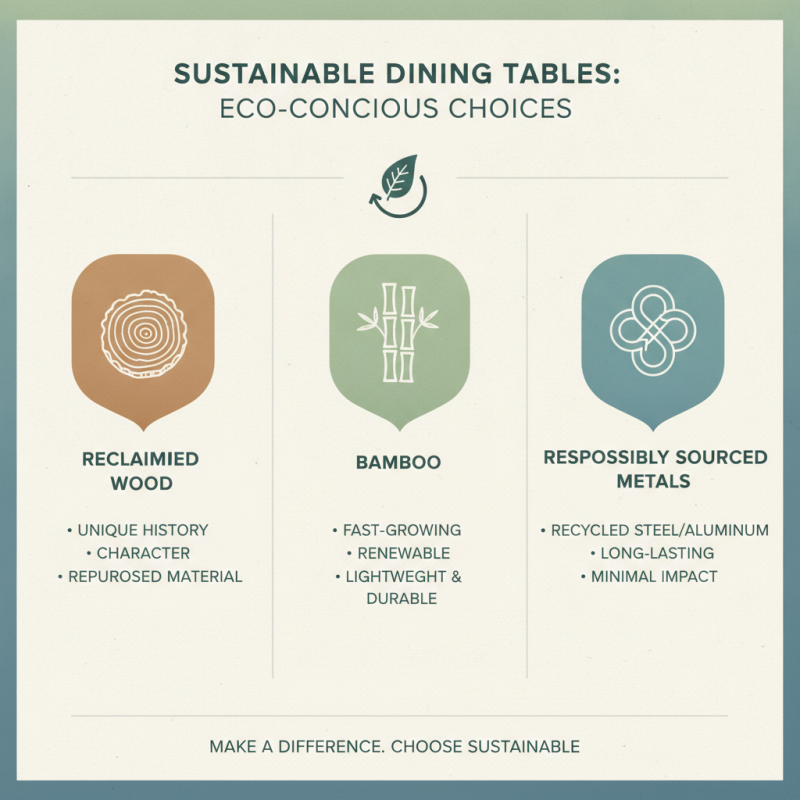
In today's eco-conscious world, choosing a sustainable dining table is essential. Sustainable materials, like reclaimed wood, bamboo, and responsibly sourced metals, are gaining popularity. Reclaimed wood offers a unique history and character. Each piece tells a story, adding depth to your dining space. Bamboo is fast-growing and renewable, providing an eco-friendly alternative.
When selecting a sustainable table, consider the manufacturing process. Look for brands that prioritize low emissions and ethical labor practices. It is essential to research certifications for eco-friendly furniture. However, sometimes it can be challenging to find the right balance between aesthetics and sustainability. Not all designs are widely available.
Investing in a sustainable dining table also involves a personal commitment. Think about the longevity of your purchase. Some tables may require more upkeep than others. This realization can lead to reflections on your own consumption habits. Prioritize quality and look for timeless designs. Creating a space that reflects your values can foster a more mindful dining experience.