Leave Your Message

What Are the 2026 Top Dining Room Decor Trends?

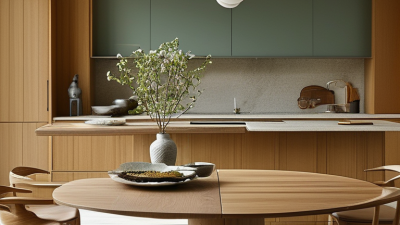
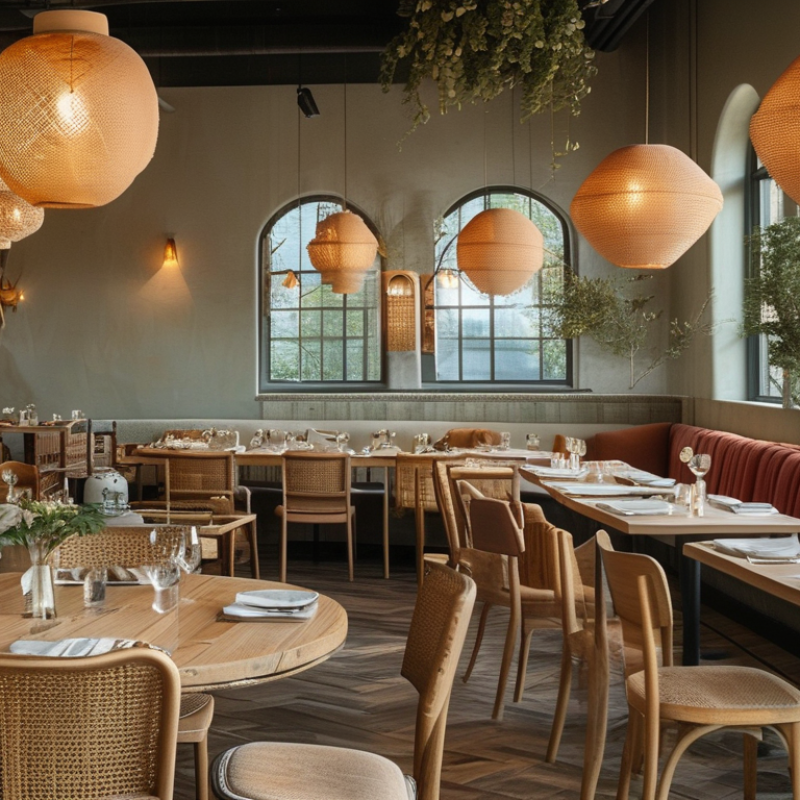
Dining Room Decor is moving toward warmer, more personal spaces in 2026. Designers are favoring natural textures, flexible layouts, and lighting that changes with the meal. Expect oak tables, woven chairs, aged metals, and softly colored walls to appear together. These materials create visual warmth without making the room feel overly formal.

Comfort matters. A dining room should support weekday dinners, celebrations, and quiet conversations. Round tables may become more popular because they improve movement and encourage connection. Banquettes can save space, while upholstered chairs add softness and practical support. Layered lighting will also shape the atmosphere. A sculptural pendant can provide focus, while dimmable sconces create a calmer evening setting.

Sustainable choices are becoming more important, although the idea is not always simple. Reclaimed wood can have character, but its condition requires careful inspection. Vintage furniture may reduce waste, yet it might need repairs or updated finishes. These details deserve honest consideration before purchase. I have found that durable materials often age better than highly decorative pieces, but personal taste still matters.

Color trends may include clay, olive, muted blue, and creamy neutrals. Small details can make these shades feel intentional. Try linen napkins, ceramic serving pieces, or a painted ceiling. Avoid matching every item too closely. A room with slight contrast usually feels more lived-in. The strongest 2026 dining rooms will balance design confidence with everyday practicality, creating spaces that look considered but remain genuinely welcoming.
What Are the 2026 Top Dining Room Decor Trends?

Defining the Core Features of 2026 Dining Room Decor

What Are the 2026 Top Dining Room Decor Trends?

Defining the Core Features of 2026 Dining Room Decor

In 2026, dining rooms are becoming warmer, more flexible, and less formal. The National Kitchen and Bath Association’s 2025 Design Trends Research highlights natural materials, layered lighting, and multifunctional spaces as major directions. These ideas suit dining rooms well. A solid wood table can host dinner, homework, or remote work. Soft linen curtains reduce glare without making the room feel dark. Textured plaster, woven chairs, and muted clay tones add depth through touch.

Spending habits also support this shift. The U.S. Bureau of Labor Statistics reported that households spent an average of 3,933 dollars on food away from home in 2023.

Home dining therefore needs to feel more intentional, not merely practical. I often find that one oversized pendant creates drama, but it can cast harsh shadows. Dimmable wall lights and candles create a better evening rhythm. Still, restraint matters. Too many textures may look carefully planned, yet feel visually noisy.

Tips: Choose one memorable element, such as a sculptural light or curved sideboard. Keep walking paths at least 36 inches wide. Test fabric samples beside morning and evening light. Add washable seat cushions when daily use matters. A beautiful room that cannot handle spilled sauce needs reconsideration.

Exploring Emerging Colors, Materials, and Finishes

In 2026, dining rooms are becoming warmer, quieter, and more personal. Color is moving beyond safe white and gray. Soft clay, muted olive, dusty blue, and toasted apricot bring gentle depth. These shades work especially well beside natural wood and aged metal. Yet, strong color can overwhelm a small room. Test a sample near daylight and evening lighting before painting every wall.

Material choices are also becoming more tactile. Designers are pairing oak, linen, brushed stone, and hand-finished plaster. A fluted wood panel can add rhythm without demanding attention.

Linen seat covers soften hard dining chairs and feel comfortable during long meals. Stone tabletops remain practical, but porous surfaces need honest maintenance. Often overlooked. Ask how much cleaning your household can realistically manage.

Finishes are shifting from perfect gloss toward satin, matte, and gently aged surfaces. These finishes hide small marks better and create calmer visual texture. Warm metal accents, such as muted brass or bronze, can connect lighting, hardware, and table settings. I have found that mixing too many finishes quickly looks accidental. Two or three related tones usually feel more considered. Keep it practical. Trend forecasts are not rules, and some choices may age poorly. A dining room should support real habits, including messy breakfasts and changing tastes.

Choosing Furniture Shapes for Modern Dining Spaces

What Are the 2026 Top Dining Room Decor Trends?

In 2026, dining rooms are moving toward softer, more adaptable silhouettes. After testing layouts in compact apartments, I find oval tables especially forgiving. Their curved edges improve circulation and reduce sharp corners near busy walkways. A 180-centimeter table usually seats six comfortably, but measure chair clearance before buying. Leave about 90 centimeters behind each occupied chair. Small detail. It changes everything.

Round tables suit intimate meals and square rooms, while rectangular tables support larger households and longer walls. A pedestal base gives knees more freedom than four corner legs. However, it can feel visually heavy in a narrow room. Slim trestle bases create structure without closing the floor. I prefer chairs with gently curved backs, because rigid geometric forms can make long dinners feel tiring. Upholstered seats add comfort, yet textured fabric may require more care around children or frequent hosts. That trade-off deserves honesty.

Mixed shapes are becoming more useful than matching sets. Pair a rounded table with linear storage, or place an arched sideboard against a straight wall. Keep one dominant shape, then repeat a smaller curve in lighting or artwork. Too many curves can look accidental. I learned this after one room felt playful but lacked visual direction. Check sightlines from the entry and kitchen, not only the dining chair. Natural light also changes how bulky furniture appears throughout the day. A paper template on the floor can reveal awkward proportions before delivery. Leave room to revise.

What Are the 2026 Top Dining Room Decor Trends?

Choosing Furniture Shapes for Modern Dining Spaces

Rounded and oval tables bring softer lines to modern dining rooms, while rectangular and square designs use space more efficiently along walls or in compact layouts. The chart compares representative table footprints for four diners, calculated from common planning dimensions. Seating clearance is not included.

Integrating Lighting, Technology, and Functional Details

In 2026, dining rooms are becoming layered, adaptable spaces rather than formal showrooms. Soft light matters. A central pendant still anchors the table, but wall lighting adds warmth and depth. Adjustable fixtures can shift from bright meal preparation to a calmer evening setting. Choose warm white bulbs around 2700K to 3000K for comfortable dining. Dimmers are essential because natural daylight changes throughout the day. I have learned that beautiful lighting can still feel harsh when reflections hit glassware.

Technology is becoming quieter and more useful. Concealed charging points can support tablets, phones, or a small laptop without covering the table with cables. Motion sensors may illuminate nearby cabinets, while voice-free controls offer a more discreet experience. Smart lighting should remain simple enough for every guest to use. The first layout I tested looked impressive, but its controls were confusing. That failed. Functional details now deserve equal attention, including stain-resistant upholstery, easy-clean surfaces, and drawers for serving tools. These features protect the room’s appearance during busy family meals.

Tips: Install lighting at several heights, not only above the table. Test bulb colors beside your flooring and wall paint before final installation. Keep charging outlets hidden but reachable. Leave some empty storage space; overcrowded drawers quickly become inconvenient. Review privacy settings on connected devices, especially in shared households. A dining room should support conversation, not compete with it.

What Are the 2026 Top Dining Room Decor Trends? - Integrating Lighting, Technology, and Functional Details

Practical planning benchmarks for residential dining rooms in 2026. Measurements are general design guidelines and should be adapted to local codes and room conditions.
Trend Area 2026 Design Direction Recommended Planning Data Functional Value Best Application
Layered Lighting Combine a central decorative fixture with wall, cabinet, or concealed accent lighting instead of relying on one ceiling source. Use at least 2–3 independently controlled lighting layers: ambient, task, and accent. Creates flexible settings for meals, entertaining, cleaning, and everyday work. Open-plan rooms, multifunctional dining areas, and spaces with limited daylight.
Warm, Adjustable Illumination Move toward warm, dimmable lighting that supports both dining atmosphere and practical visibility. Typical residential range: 2,700–3,000 K; use high color rendering, preferably CRI 90 or above, where food appearance matters. Improves comfort and color accuracy while reducing glare during evening meals. Dining tables, buffet displays, artwork, and spaces used after sunset.
Statement Fixtures with Proper Scale Use sculptural pendants or linear fixtures as visual focal points while preserving clear sightlines across the room. Position the lowest point approximately 30–36 in (76–91 cm) above the tabletop; center the fixture over the table rather than the room. Maintains visual connection between diners and reduces accidental head contact. Rectangular tables, high ceilings, and dining rooms requiring a strong centerpiece.
Smart Scene Control Replace complicated controls with simple presets for dining, entertaining, cleaning, and late-night use. Provide separate control for the main fixture and accent lighting; include manual wall control even when wireless control is available. Makes the room easier to operate for guests, children, and older users. Homes with connected lighting, mixed-age households, and entertaining areas.
Integrated Power and Charging Hide charging and power access within sideboards, banquettes, or nearby wall zones to preserve a clean appearance. Plan at least one accessible outlet near the dining area; conceal cable routes and keep electrical work compliant with local regulations. Supports laptops, phones, small appliances, and flexible work without trailing cables. Dining rooms that double as homework stations, home offices, or hosting areas.
Flexible and Expandable Furniture Favor extendable tables, movable stools, nesting pieces, and lightweight seating that can change with the occasion. Allow approximately 24 in (61 cm) of table edge per seated adult and verify extension clearance before purchase. Accommodates daily meals, larger gatherings, and changing household needs. Compact homes, apartments, and rooms used for multiple activities.
Built-In and Concealed Storage Use streamlined sideboards, full-height cabinets, and closed storage to combine display space with clutter control. A practical sideboard depth is commonly about 16–20 in (41–51 cm); maintain clear door and drawer operation zones. Keeps tableware, linens, serving items, and electronic accessories close but visually organized. Dining rooms with limited closets or frequent entertaining needs.
Comfort and Circulation Treat movement space as part of the decor plan, using rounded edges and breathable layouts rather than filling every surface. Allow roughly 36 in (91 cm) between the table edge and walls or major furniture; increase the clearance where chairs must be pulled out frequently. Improves movement, accessibility, cleaning, and day-to-day comfort. Small rooms, high-traffic homes, and dining areas connected to kitchens or living rooms.
Durable, Repairable Materials Prioritize finishes that can withstand spills, repeated cleaning, and everyday contact while retaining a tactile, natural appearance. Specify washable textiles, sealed wood or stone surfaces, replaceable hardware, and finishes with documented care instructions. Extends product life and reduces maintenance pressure in high-use spaces. Families, rental properties, pet-friendly homes, and frequently used dining rooms.

Creating a Balanced and Personalized Dining Room Design

What Are the 2026 Top Dining Room Decor Trends?

Creating a balanced dining room begins with proportion, not decoration. In 2026, designers are favoring warm materials, flexible seating, and quieter visual contrast. A round or softly shaped table can improve movement in compact rooms. Leave about 36 inches between the table and nearby walls or furniture. This clearance makes daily use easier. Keep it human.

Personal style should appear through texture and meaningful objects. Try linen curtains, handmade ceramics, or a timber sideboard with visible grain. Choose two main colors, then add one unexpected shade through chairs, artwork, or table linens. Matching every item can make the room feel staged. A little variation creates character, although too much can quickly look careless.

Lighting deserves careful attention because it changes both atmosphere and color. Hang the main fixture roughly 30 to 36 inches above the tabletop, then test it at night. Soft, layered light usually feels more welcoming than one bright ceiling source. Practical design also considers real habits: children, long dinners, storage needs, and frequent cleaning. A pale rug may look elegant, but it can become a daily frustration. Good design sometimes means admitting that beauty is not always convenient.